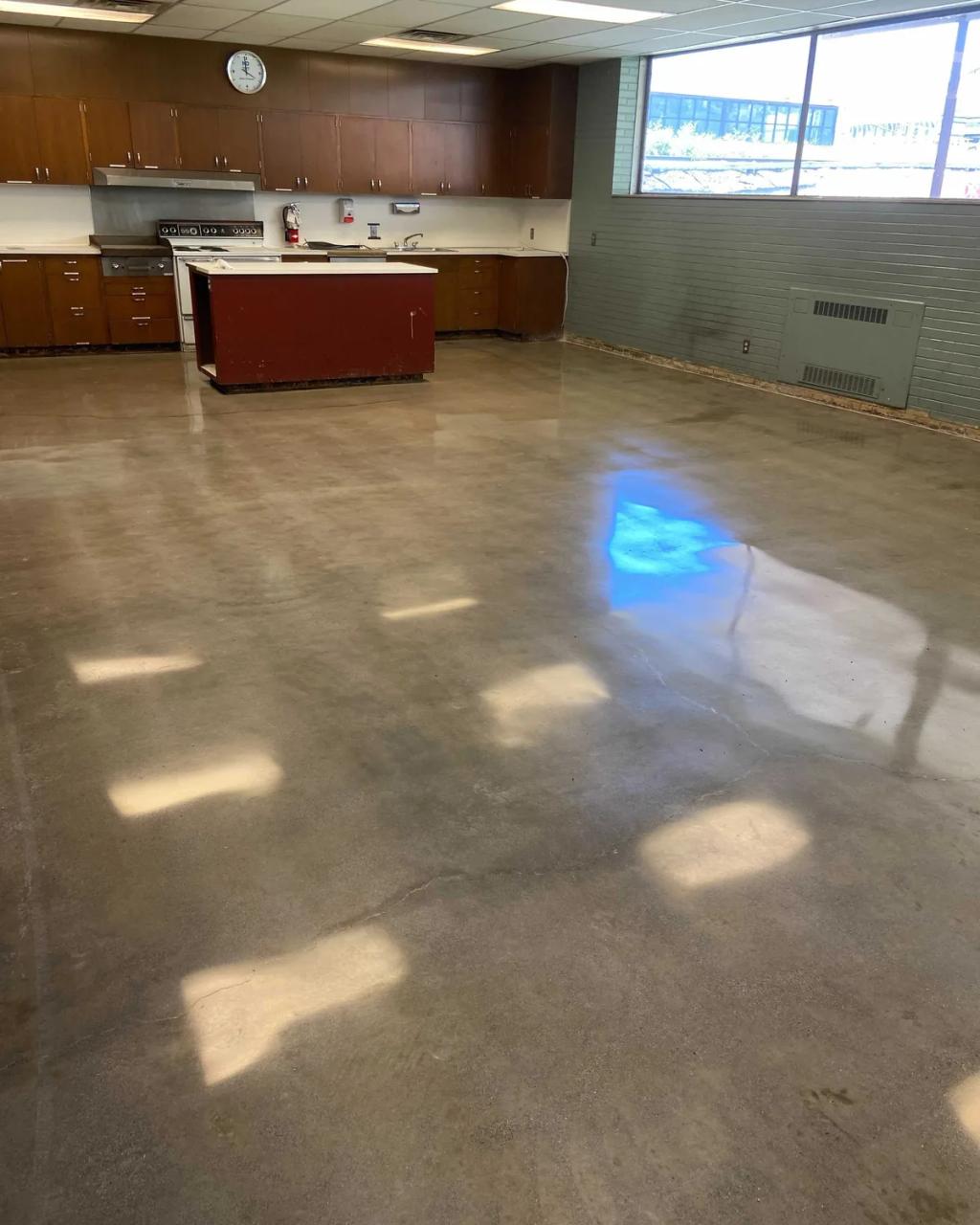

Laboratory and cleanroom floor coatings in Utah
Lab floors need to be seamless, easy to disinfect and resistant to the chemicals used at the bench. A resinous coating system turns porous concrete into a surface that cleans the same way every time.
Rating
4.9 on Google
From 198+ Google reviews
Experience
10+ years
In Utah since 2016
Coverage
Licensed & insured
Installers
Same crew
Installed by the same crew that's been with Elevated since day one
What a lab floor has to handle
Laboratory floors see spilled reagents, solvents, stains and disinfectants, often in small amounts but many times a day. Bare or sealed concrete absorbs those spills, and tile or sheet goods have seams where liquids and particles collect.
Cleanroom and controlled-environment support areas add another demand: the floor should not shed dust and should stand up to frequent wet cleaning without breaking down.
- Spills of acids, bases, solvents and dyes
- Frequent disinfecting and wet mopping
- Rolling carts, stools and equipment
- Seams and grout lines that trap contamination
- Concrete dust in spaces that need to stay clean
What we recommend and why
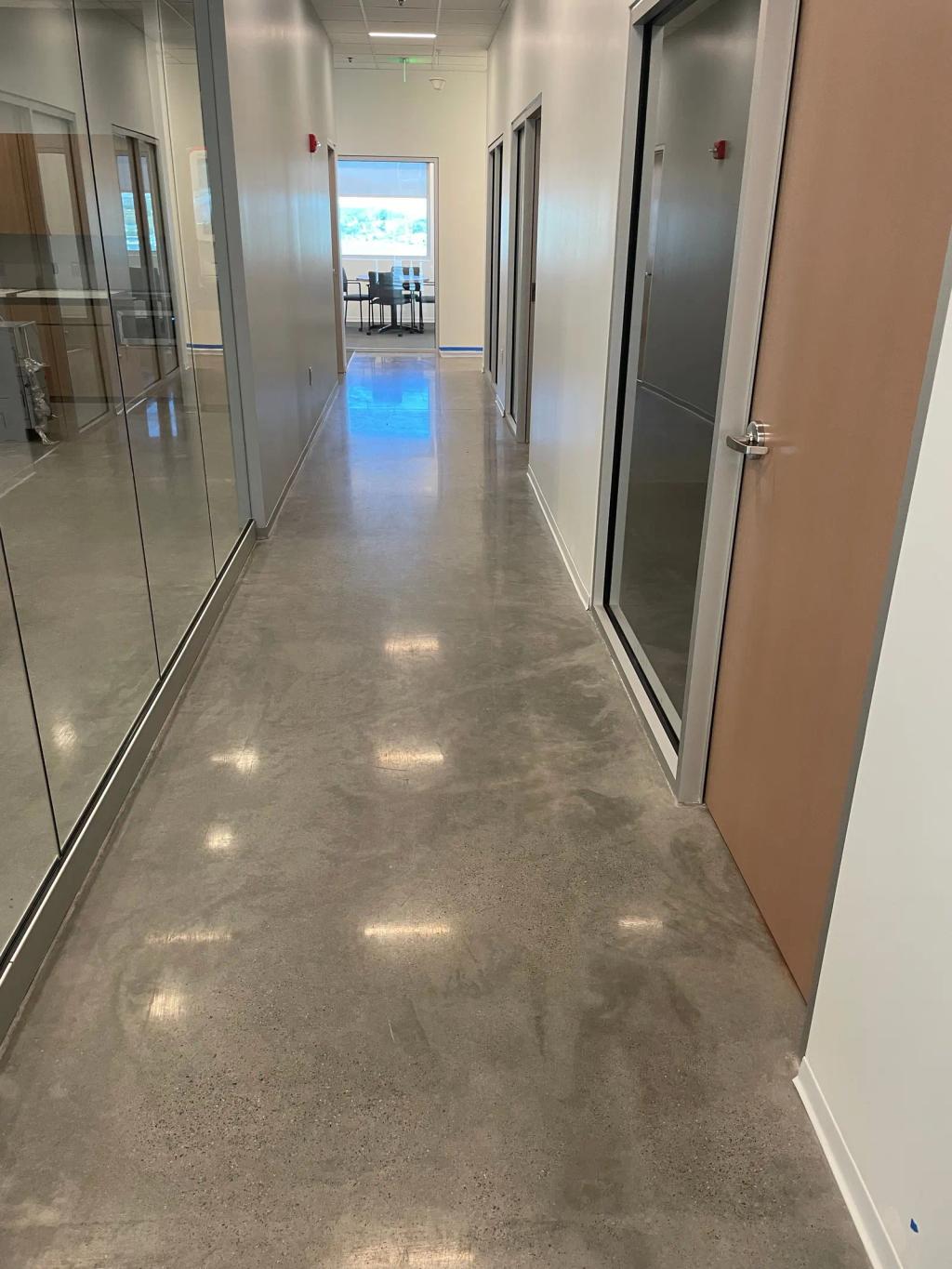
Most labs are well served by a seamless solid epoxy system in a light color, which gives a hard, non-porous surface that is easy to inspect and wipe down.
Where chemical exposure is heavier, the topcoat is chosen for the specific chemicals in use, so a list of what is handled in the room is part of the bid.
Rooms with hot water, steam cleaning or autoclave areas may suit urethane cement, which tolerates heat and thermal shock better than standard epoxy. Slabs with high moisture readings may need a moisture vapor barrier underneath so the coating stays bonded.
How the install works around your operation
Labs often cannot move everything out at once, so work is usually planned room by room or suite by suite, with sensitive equipment relocated or protected before prep starts.
Grinding dust and coating odors are managed with containment and ventilation so adjacent rooms can keep running.
The schedule depends on the system, the building temperature and when each room needs to be back in service. Nights, weekends and phased zones are common ways to keep research and testing on track.
Prep and concrete testing
Old adhesives from tile or sheet flooring, sealers and chemical residue all have to come off before a new system can bond.
Mechanical grinding opens the concrete surface, and cracks and drain edges are repaired so the finished floor is continuous.
Labs are often on ground floors or in older buildings where moisture rising through the slab is a real risk. Moisture testing before coating shows whether a vapor barrier layer is needed.
Cleaning, safety and static control
A seamless coated floor can be cleaned with the disinfectants the lab already uses, though the cleaner should be checked against the coating so it does not dull or soften the topcoat.
Texture can be added in wet areas to improve footing, balanced against how easy the floor needs to be to clean.
Some electronics, testing and cleanroom spaces need a static-control floor that safely dissipates electrical charge. Static-control flooring is its own category with its own testing, and whether a room needs one is a question for the project specification and the equipment owner, settled before a system is chosen.
- Confirm cleaning chemicals are compatible with the topcoat
- Add texture where floors stay wet
- Decide early whether the spec calls for static control
Maintenance and lifespan
Wipe up spills promptly, especially strong solvents and dyes, and use neutral or approved cleaners for routine mopping.
Chair and cart casters should be in good condition so they roll rather than gouge.
How long a lab floor lasts depends on the chemicals it sees, cart traffic and how it is cleaned.
Worn topcoats can usually be recoated after light prep, well before the base layers are damaged.
Process
How a bid works
Request
Send the building type, size and timing, and any plans or photos.
Site visit
For most bids, we look at the slab and agree the work window; moisture is tested when the slab needs it and listed in the bid. Some are bid from plans or an RFQ.
Written bid
Every bid comes in writing with the scope: the system, the prep and the areas covered.
Install
Planned around your hours. Before you reopen, we go over the cure schedule: when you can walk, load and drive on it.
Who installs your floor
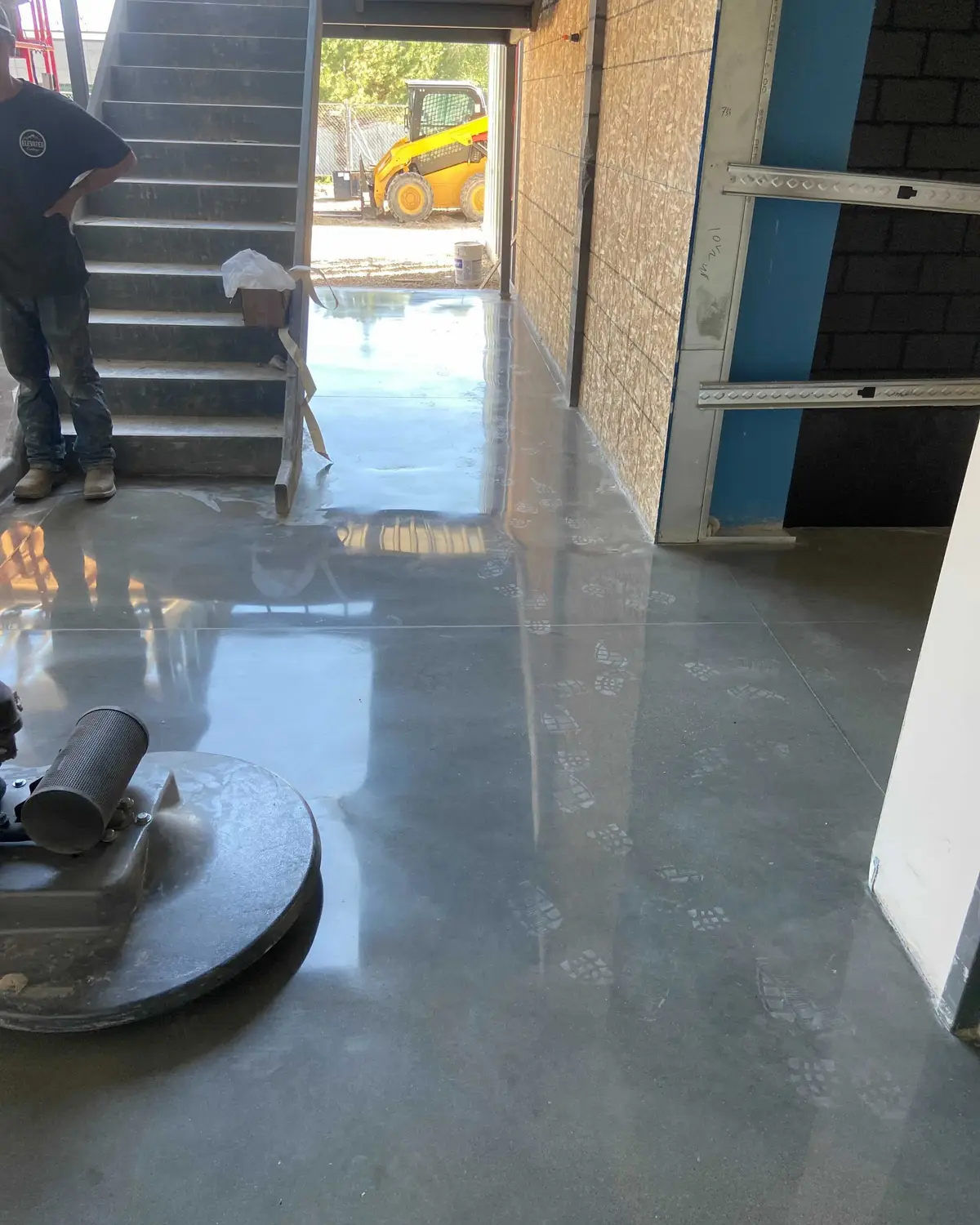
Installed by the same crew that's been with Elevated since day one
Every bid comes in writing with the scope: the system, the prep and the areas covered.
Most bids start with a look at the slab; some are bid from plans or an RFQ.
Every bid comes in writing with the scope.
Planned around your hours.
Keep reading
Systems, problems and guides for this work
- SystemsESD epoxyA static-dissipative epoxy floor for electronics, labs and data centers.Read more →
- IndustriesHealthcare clinicsSeamless, disinfectant-resistant floors for clinics, installed after hours around patient care.Read more →
- IndustriesMechanical & Data RoomsDust-free, easy-to-clean floors for mechanical rooms, electrical rooms and data center slabs.Read more →
- Problems we fixChemical-damaged floorsEtched, softened or stained floors from spills and cleaners, and how resistant systems fix them.Read more →
- Problems we fixMoisture vapor failuresBlisters and lifting coating caused by moisture in the slab, and how vapor control fixes it.Read more →
- CommercialRequest a bidSend the building, size and timing for a written bid.Read more →
Industries
Other industries we serve
- IndustriesRestaurants & kitchensSeamless, cleanable, slip-resistant floors for restaurants, quick-service kitchens and ice cream, soda and dessert shops — installed overnight or on your closed day.Read more →
- IndustriesBuild-outs & tenant improvementsMoving into a new space or remodeling one? Floors bid to your budget and scheduled around your build-out.Read more →
- IndustriesFranchise & multi-locationThe same floor in every store: we can install one spec across all your locations.Read more →
- IndustriesRetail, showrooms & officesPolished, metallic and flake floors for stores, showrooms, lobbies and offices, installed after hours.Read more →
- IndustriesAuto shops & dealershipsService bays that shrug off hot tires and fluids, and showroom floors that sell the cars on them.Read more →
- IndustriesAll industriesEvery type of facility we coat floors for, in one list.Read more →
FAQ
Labs & Cleanrooms: questions
Straight answers to the questions we hear most.
Is an epoxy floor resistant to every lab chemical?
No coating resists every chemical equally. Epoxy handles many common lab spills well, but strong solvents and some acids call for a specific topcoat, so the list of chemicals used in the room should be shared during the bid.
Do lab floors need to be static-dissipative?
Only some do, such as rooms with sensitive electronics or certain cleanroom processes. It is a specification decision made by the facility and equipment owners, and it changes which system is installed, so it should be settled before pricing.
Can the coating run up the wall?
Many lab specifications call for a cove base, where the floor coating curves up the wall so there is no corner seam to clean. Whether a project includes it is part of the written scope.
Can one lab stay open while another is coated?
Often yes. Work is usually phased room by room with dust containment and ventilation, so neighboring spaces can keep operating while each area is prepped, coated and cured.

Request a bid
Ready for a bid?
Send your project details or plans. We reply within 1 business day.