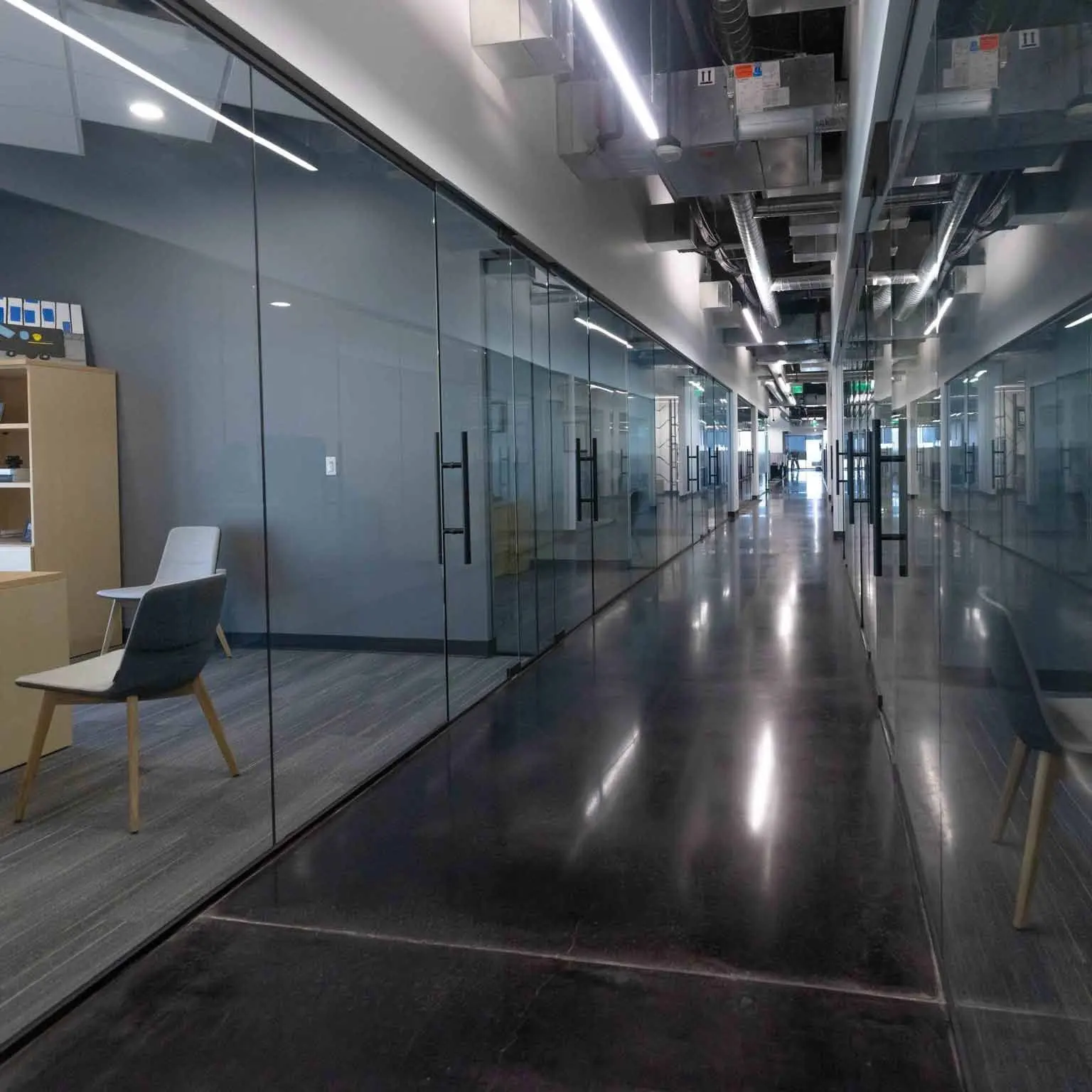

Healthcare and Clinic Floor Coatings in Utah
Clinic floors are cleaned and disinfected constantly and carry carts, chairs and patients all day. A seamless coating gives them a surface with no seams for spills to settle into.
Rating
4.9 on Google
From 198+ Google reviews
Experience
10+ years
In Utah since 2016
Coverage
Licensed & insured
Installers
Same crew
Installed by the same crew that's been with Elevated since day one
What a clinic floor has to handle
Clinic floors are wiped, mopped and disinfected far more often than most commercial floors, and strong disinfectants break down some finishes and wax over time. Seams in sheet goods and grout lines in tile are the places spills and moisture settle.
The floor also carries rolling carts, wheelchairs, exam chairs and steady foot traffic, often in tight corridors. Sterilization and processing rooms, labs and utility rooms add water, heat and occasional chemical spills.
- Frequent disinfecting with strong cleaners
- Rolling carts, wheelchairs and equipment
- Water and heat in sterilization and utility rooms
- Seams and grout that hold spills
What we recommend and why
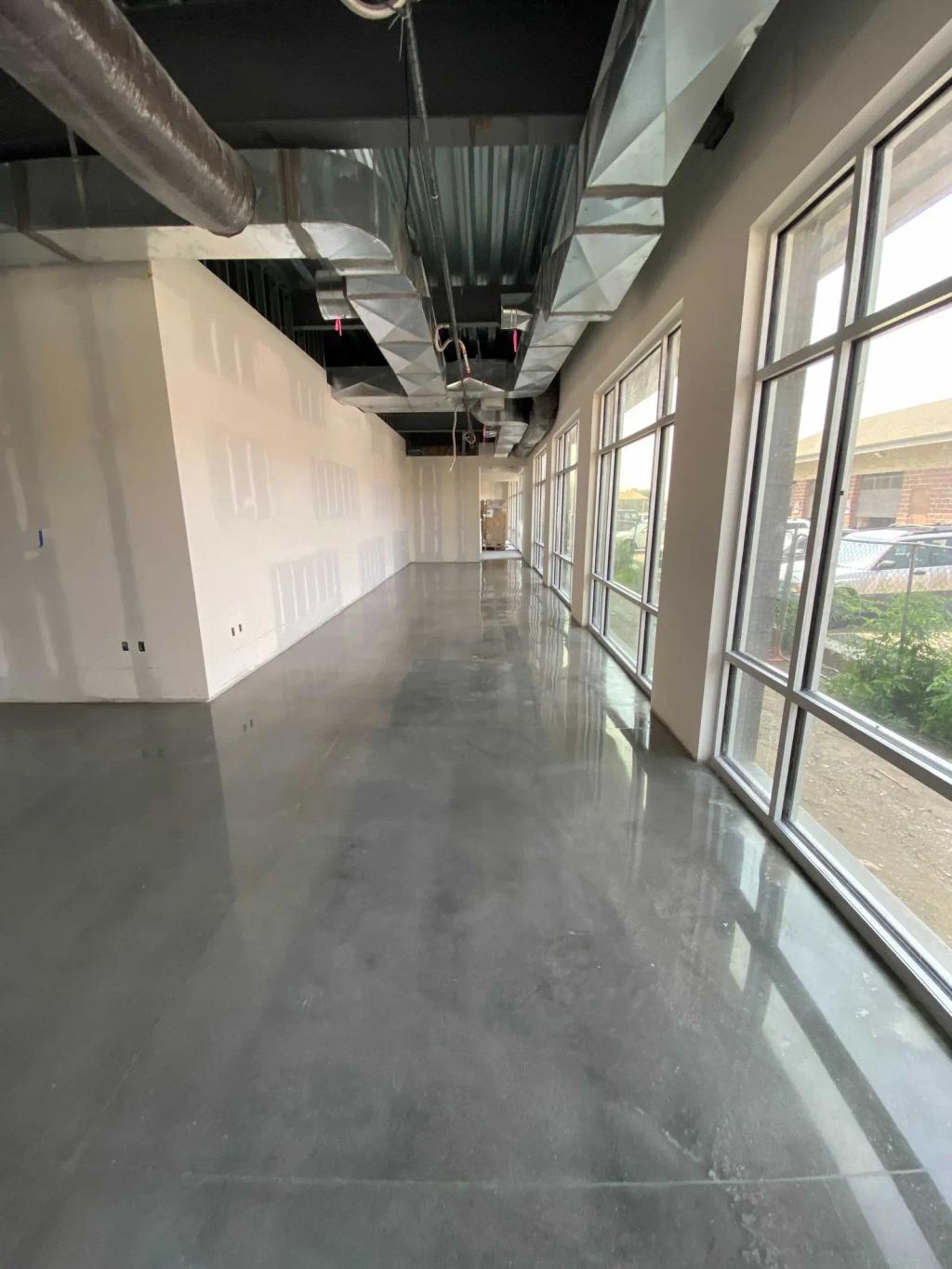
A solid epoxy with a chemical-resistant topcoat gives a smooth, seamless floor that stands up to repeated disinfecting.
It works well in exam rooms, procedure areas, sterilization rooms and labs where cleanability is the first concern.
Waiting rooms and lobbies can use a flake system for a softer look and a pattern that hides wear, or a metallic epoxy where the floor is part of the design. Polyaspartic topcoats are often used for their stain resistance and fast return to service.
Solid epoxy systems →Polyaspartic coatings →Metallic epoxy →
- Solid epoxy in exam, procedure and utility rooms
- Flake or metallic in waiting areas and lobbies
- Polyaspartic topcoats for stain resistance
How the install works around patient care
Clinics usually stay open during a floor project, so work is scheduled after hours, over weekends or room by room.
Areas being worked on are closed off, and dust and odor control are planned so nearby rooms can keep seeing patients.
Most bids include a site visit (some are bid from plans or an RFQ), and every bid comes in writing with the scope. New build-outs are scheduled with the general contractor so the floor goes in before fixtures and casework where possible.
Prep and concrete testing
Most clinic projects begin by removing sheet vinyl, VCT or carpet and the adhesive beneath it.
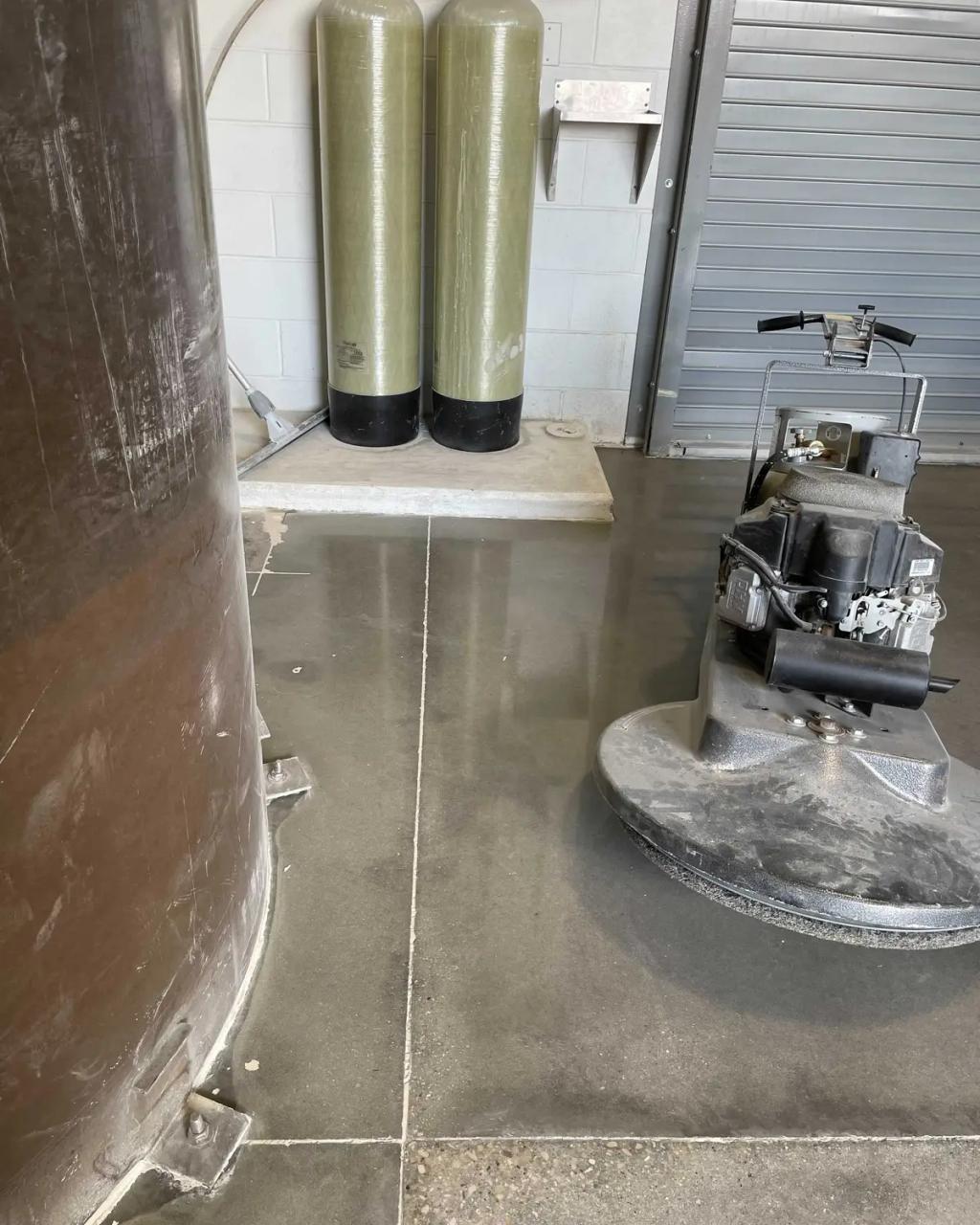
Grinding with dust collection prepares the slab while keeping dust out of the rest of the building.
Moisture testing is important in clinics because many sit in slab-on-grade buildings where old flooring adhesives have masked vapor problems. When testing shows high moisture, a vapor barrier layer goes down before the coating.
Safety, compliance and cleaning
Infection-control teams generally want floors that are smooth, nonporous and easy to disinfect, and a seamless coating fits that well.
Ask whoever oversees compliance for the clinic which cleaners and disinfectants will be used so the topcoat is chosen to match.
Slip resistance can be added with a fine texture in the topcoat, keeping the floor easy to wipe while giving more grip for staff and patients.
- Use disinfectants at their labeled strength
- Rinse residue so it does not build a film
- Wipe up fluid spills promptly
Maintenance and lifespan
Coated clinic floors need no waxing, which removes a recurring after-hours job.
Daily care is a neutral cleaner or the facility's approved disinfectant, and chair and cart wheels should be kept free of grit.
Corridors and the reception area wear first.
A topcoat refresh restores the finish, and it can be done after hours like the original install.
Process
How a bid works
Request
Send the building type, size and timing, and any plans or photos.
Site visit
For most bids, we look at the slab and agree the work window; moisture is tested when the slab needs it and listed in the bid. Some are bid from plans or an RFQ.
Written bid
Every bid comes in writing with the scope: the system, the prep and the areas covered.
Install
Planned around your hours. Before you reopen, we go over the cure schedule: when you can walk, load and drive on it.
Who installs your floor
Installed by the same crew that's been with Elevated since day one
Every bid comes in writing with the scope: the system, the prep and the areas covered.
Most bids start with a look at the slab; some are bid from plans or an RFQ.
Every bid comes in writing with the scope.
Planned around your hours.
Keep reading
Systems, problems and guides for this work
- IndustriesLabs & CleanroomsSeamless, cleanable, chemical-resistant floors for labs, testing rooms and cleanroom support spaces.Read more →
- IndustriesVeterinary & kennelsSealed, textured floors for kennels and vet clinics that resist urine, odor and daily hosing.Read more →
- IndustriesBuild-outs & tenant improvementsFloors bid to your budget and scheduled around your build-out.Read more →
- SystemsSolid epoxyA seamless, single-color epoxy floor for warehouses, shops and service areas.Read more →
- Problems we fixMoisture vapor failuresBlisters and lifting coating caused by moisture in the slab, and how vapor control fixes it.Read more →
Industries
Other industries we serve
- IndustriesRestaurants & kitchensSeamless, cleanable, slip-resistant floors for restaurants, quick-service kitchens and ice cream, soda and dessert shops — installed overnight or on your closed day.Read more →
- IndustriesBuild-outs & tenant improvementsMoving into a new space or remodeling one? Floors bid to your budget and scheduled around your build-out.Read more →
- IndustriesFranchise & multi-locationThe same floor in every store: we can install one spec across all your locations.Read more →
- IndustriesRetail, showrooms & officesPolished, metallic and flake floors for stores, showrooms, lobbies and offices, installed after hours.Read more →
- IndustriesAuto shops & dealershipsService bays that shrug off hot tires and fluids, and showroom floors that sell the cars on them.Read more →
- IndustriesAll industriesEvery type of facility we coat floors for, in one list.Read more →
FAQ
Healthcare clinics: questions
Straight answers to the questions we hear most.
Will disinfectants damage a coated floor?
Most epoxy and polyaspartic systems resist common disinfectants well when used as directed. Share the products the clinic uses so the topcoat can be matched to them.
Can the clinic stay open during the project?
Usually, yes. Work is scheduled after hours or room by room, with dust control and closed-off areas so the rest of the clinic keeps running.
Is a coating better than sheet vinyl for a clinic?
Both can be seamless, but a coating bonds directly to the slab and has no welded seams to open up. The right choice depends on the room, the budget and the slab's moisture.
Does a dental or veterinary clinic need anything different?
The approach is similar, though rooms with plaster, impression materials or animal traffic may need more texture or chemical resistance. Those details are covered at the site visit.

Request a bid
Ready for a bid?
Send your project details or plans. We reply within 1 business day.