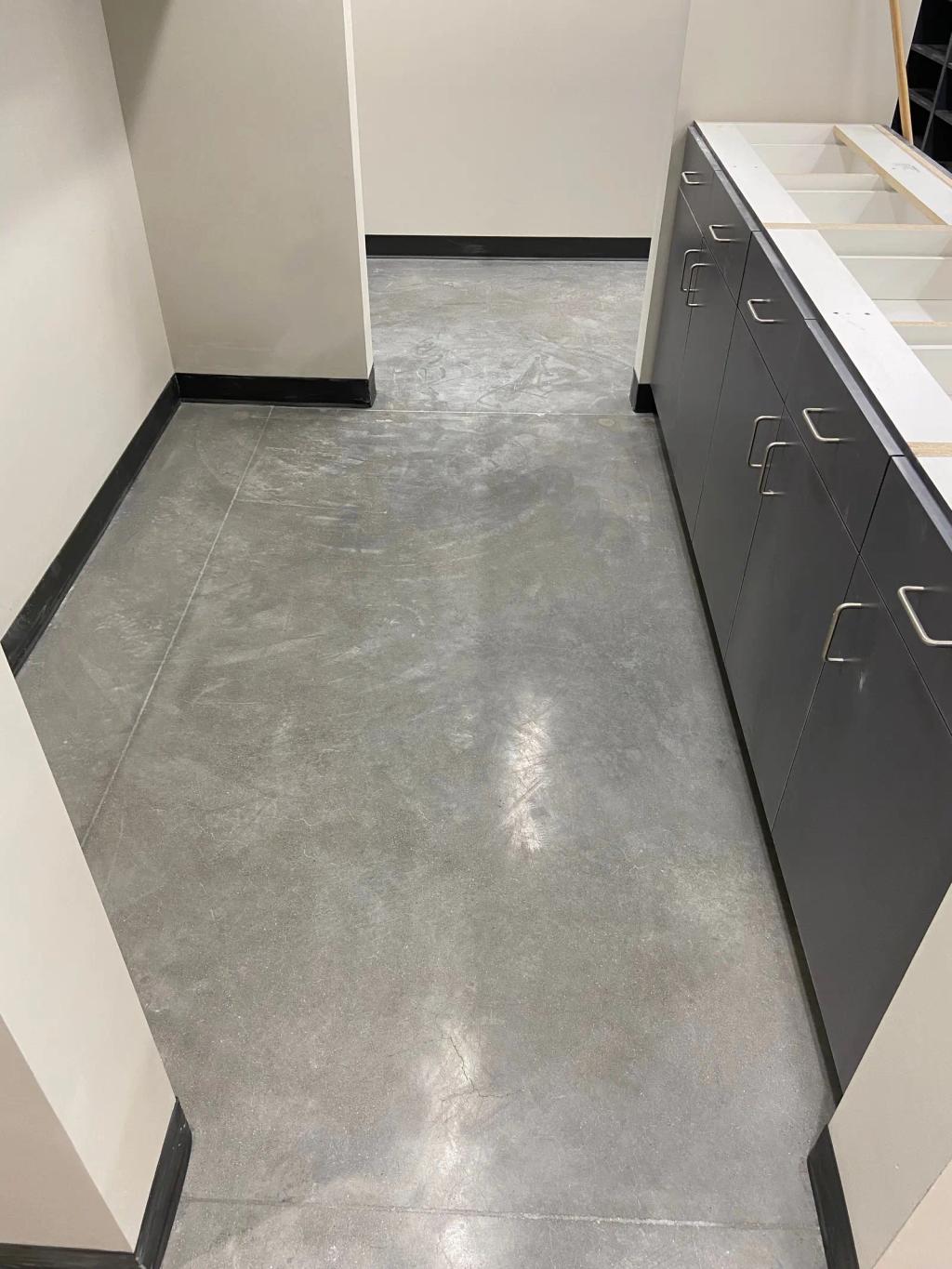

Mechanical room and data center floor coatings in Utah
Equipment rooms rarely get attention until a leak or dust problem forces it. A coated floor keeps concrete dust out of sensitive equipment and keeps water and fluids from soaking into the slab.
Rating
4.9 on Google
From 198+ Google reviews
Experience
10+ years
In Utah since 2016
Coverage
Licensed & insured
Installers
Same crew
Installed by the same crew that's been with Elevated since day one
What an equipment room floor has to handle
Mechanical rooms hold boilers, chillers, pumps and water heaters that leak, drip condensate and occasionally fail. Glycol, treatment chemicals and oil end up on the floor, and bare concrete absorbs them and stays stained.
Data centers and server rooms have a different enemy: dust. Bare concrete sheds fine particles that get pulled into cooling systems and equipment, including on the slab beneath a raised floor.
- Leaks and condensate from boilers, chillers and pumps
- Glycol, water treatment chemicals and oil
- Concrete dust drawn into cooling and servers
- Equipment pads, housekeeping pads and penetrations
- Spaces that are hard to take offline
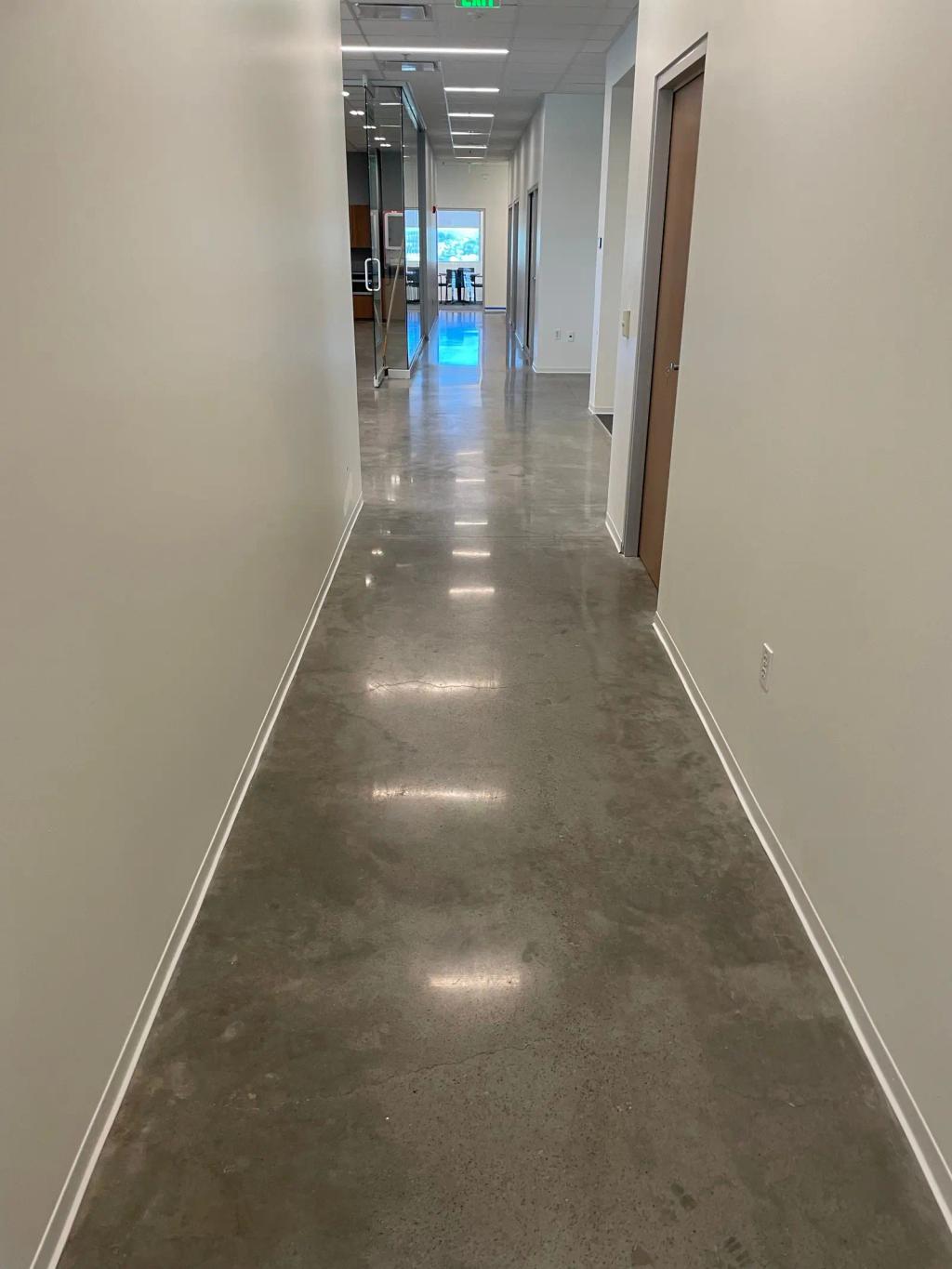
What we recommend and why
A solid epoxy system in a light color is a strong fit for mechanical and electrical rooms.
It seals the concrete against dust and fluids, makes leaks easy to spot, and brightens rooms that are often poorly lit.
Where the main goal is to stop dust on a slab that sees little traffic, such as under a raised access floor, a penetrating sealer can be enough. Slabs with moisture problems may need a vapor barrier layer first.
How the install works around live equipment
These rooms often stay energized during the work, so containment, dust control and protection of running equipment are planned before prep begins.
Work is usually done in sections around equipment pads, with coordination on access and any required shutdowns.
Ventilation for coating odors is planned with building engineers so fumes are not pulled into air handlers or occupied floors. The schedule depends on the system and how quickly each section needs to return to normal access.
Prep and concrete testing
Mechanical room slabs are often stained with oil and glycol that have to be cleaned and ground away before a coating will bond.
Grinding is done with dust collection, which matters even more in rooms close to sensitive equipment.
Below-grade mechanical rooms are a common place for moisture problems, so the slab is tested before a system is chosen. Cracks and joints are repaired so they do not trap water.
Safety, static and cleaning
Water on a smooth floor in a dim room is a slip hazard, so texture can be added in areas around equipment that leaks or drains.
Clean floors also make it easier to notice a new leak before it causes damage.
Some server rooms, electronics areas and data centers specify static-control flooring to dissipate electrical charge. Static-control floors are a separate category with their own testing, and whether a space needs one is a specification question for the owner and the equipment manufacturer to answer before a system is selected.
- Add texture where equipment drips or drains
- Dust-mop sealed slabs under raised floors on a schedule
- Settle any static-control requirement in the spec
Maintenance and lifespan
Equipment room floors see little foot traffic, so a well-installed coating can hold up for a long time.
Wipe up leaks and chemical drips promptly and avoid dragging heavy equipment across the surface during replacements.
When equipment is swapped out, damaged spots around new pads or anchors can be patched and recoated.
A periodic look during routine maintenance keeps the floor sealed.
Process
How a bid works
Request
Send the building type, size and timing, and any plans or photos.
Site visit
For most bids, we look at the slab and agree the work window; moisture is tested when the slab needs it and listed in the bid. Some are bid from plans or an RFQ.
Written bid
Every bid comes in writing with the scope: the system, the prep and the areas covered.
Install
Planned around your hours. Before you reopen, we go over the cure schedule: when you can walk, load and drive on it.
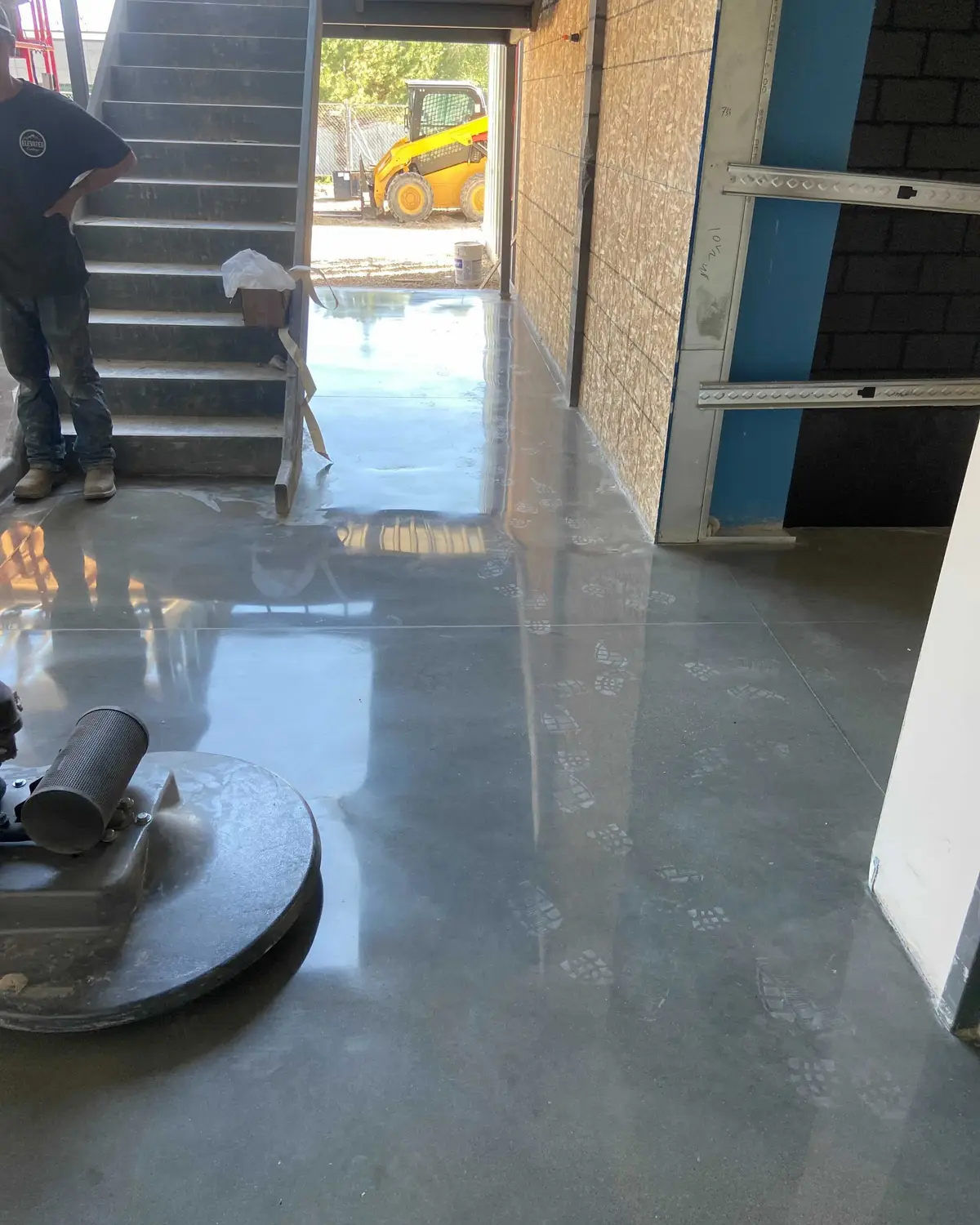
Who installs your floor
Installed by the same crew that's been with Elevated since day one
Every bid comes in writing with the scope: the system, the prep and the areas covered.
Most bids start with a look at the slab; some are bid from plans or an RFQ.
Every bid comes in writing with the scope.
Planned around your hours.
Keep reading
Systems, problems and guides for this work
- SystemsESD epoxyA static-dissipative epoxy floor for electronics, labs and data centers.Read more →
- IndustriesLabs & CleanroomsSeamless, cleanable, chemical-resistant floors for labs, testing rooms and cleanroom support spaces.Read more →
- IndustriesManufacturing & industrialChemical, impact and heat-resistant plant floors installed during your planned shutdowns.Read more →
- Problems we fixDusty concrete floorsBare slabs that keep shedding dust, and the sealing options that stop it at the source.Read more →
- ComparisonsSealer vs coatingPenetrating sealers and full coatings compared on protection, wear, chemicals and budget.Read more →
- CommercialRequest a bidSend the building, size and timing for a written bid.Read more →
Industries
Other industries we serve
- IndustriesRestaurants & kitchensSeamless, cleanable, slip-resistant floors for restaurants, quick-service kitchens and ice cream, soda and dessert shops — installed overnight or on your closed day.Read more →
- IndustriesBuild-outs & tenant improvementsMoving into a new space or remodeling one? Floors bid to your budget and scheduled around your build-out.Read more →
- IndustriesFranchise & multi-locationThe same floor in every store: we can install one spec across all your locations.Read more →
- IndustriesRetail, showrooms & officesPolished, metallic and flake floors for stores, showrooms, lobbies and offices, installed after hours.Read more →
- IndustriesAuto shops & dealershipsService bays that shrug off hot tires and fluids, and showroom floors that sell the cars on them.Read more →
- IndustriesAll industriesEvery type of facility we coat floors for, in one list.Read more →
FAQ
Mechanical & Data Rooms: questions
Straight answers to the questions we hear most.
Why coat a floor nobody sees?
Mechanical and server room floors protect expensive equipment. A coating stops concrete dust, makes leaks visible and keeps fluids from soaking into the slab, which can then spread under walls into other spaces.
Does a data center need an ESD floor?
Not always. Some facilities rely on other static controls, while others specify a static-dissipative floor. It depends on the equipment and the owner's standards, so it should be settled in the specification before a floor system is priced.
Can the slab under a raised access floor be sealed?
Often yes, by working through removed floor panels a section at a time. Sealing that slab cuts down on dust that cooling systems can pick up.
Can the room stay operational during the work?
In many cases it can, with containment, dust collection and protection of running equipment. Any needed shutdowns are coordinated with the facility team ahead of time.

Request a bid
Ready for a bid?
Send your project details or plans. We reply within 1 business day.