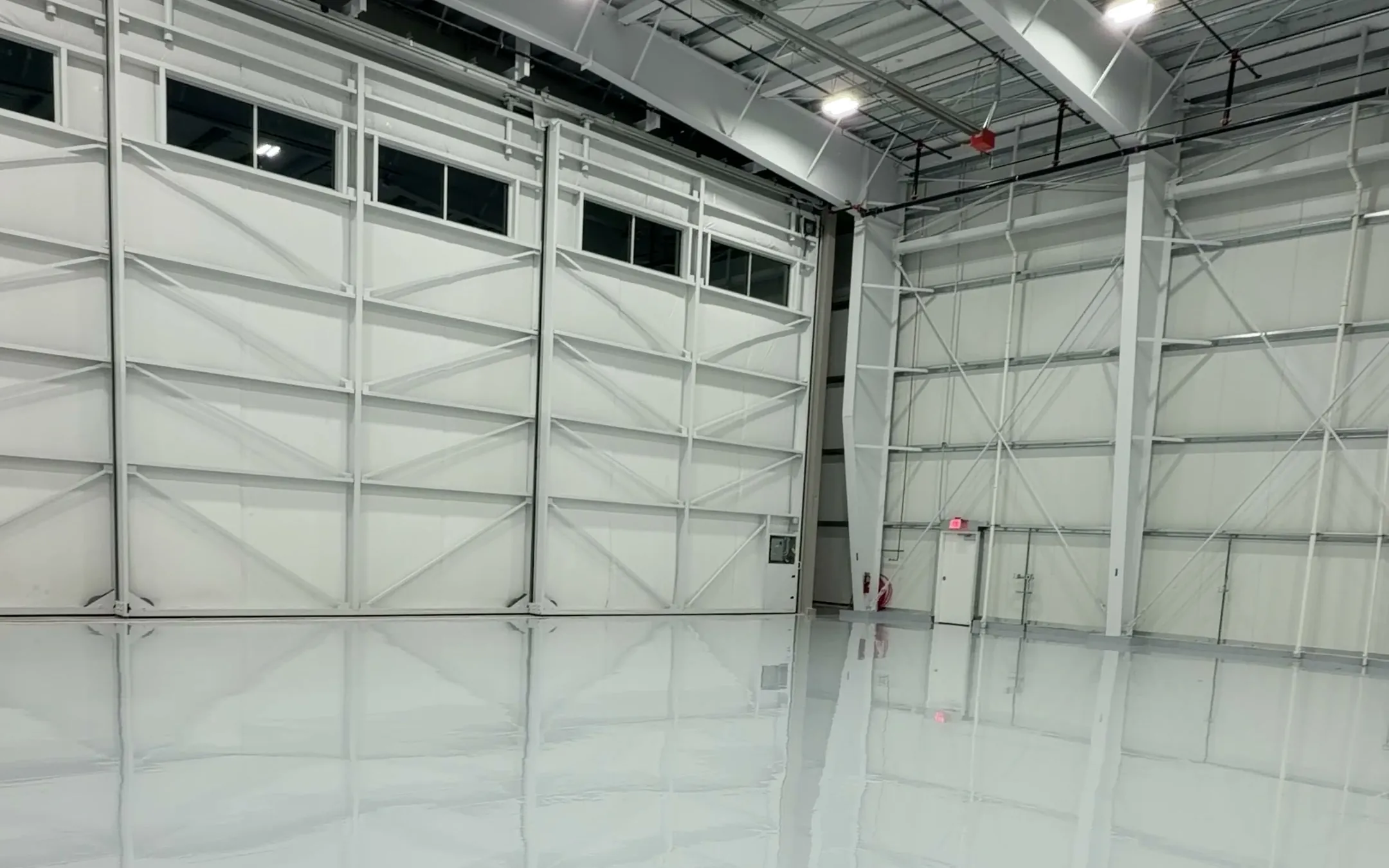

Manufacturing & Industrial Floor Coatings in Utah
Chemical, impact and hot-work resistant floors, installed during your planned shutdowns.
Rating
4.9 on Google
From 198+ Google reviews
Experience
10+ years
In Utah since 2016
Coverage
Licensed & insured
Installers
Same crew
Installed by the same crew that's been with Elevated since day one
What a plant floor has to handle
Manufacturing floors take forklifts, pallet jacks, steel wheels, dropped parts and dragged pallets, along with spills of oils, coolants, solvents and process chemicals. Chemicals soften or etch bare concrete and some coatings, and impacts gouge thin paints.
Welding spatter, hot parts and hot washdown can scorch or crack the wrong coating. Bare concrete also sheds fine dust that settles on equipment and products.
- Coolants, solvents, acids and cleaners
- Dropped parts and steel wheels
- Hot work, hot parts and thermal swings
- Dust from unsealed concrete
What we recommend and why
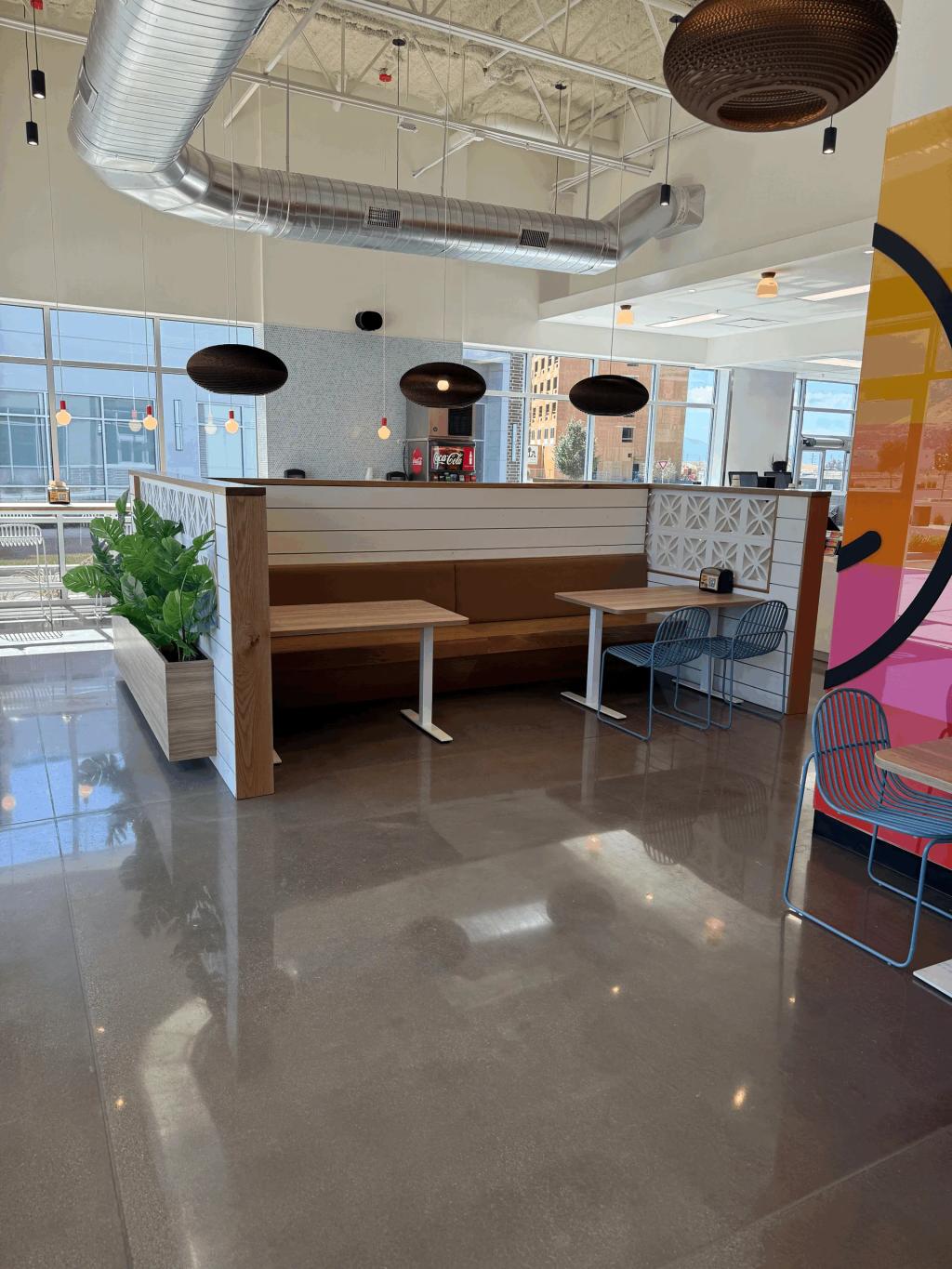
Solid epoxy gives general production, assembly and storage areas a tough, chemical-resistant floor. Where heat, hot water or steam are part of daily work, urethane cement handles the temperature swings and many harsh chemicals.
Listing the chemicals used in each area lets the system be matched to them, with the manufacturer's chemical-resistance chart kept on file. Filling joints protects slab edges from forklift wheels in the same project.
How the install works around production
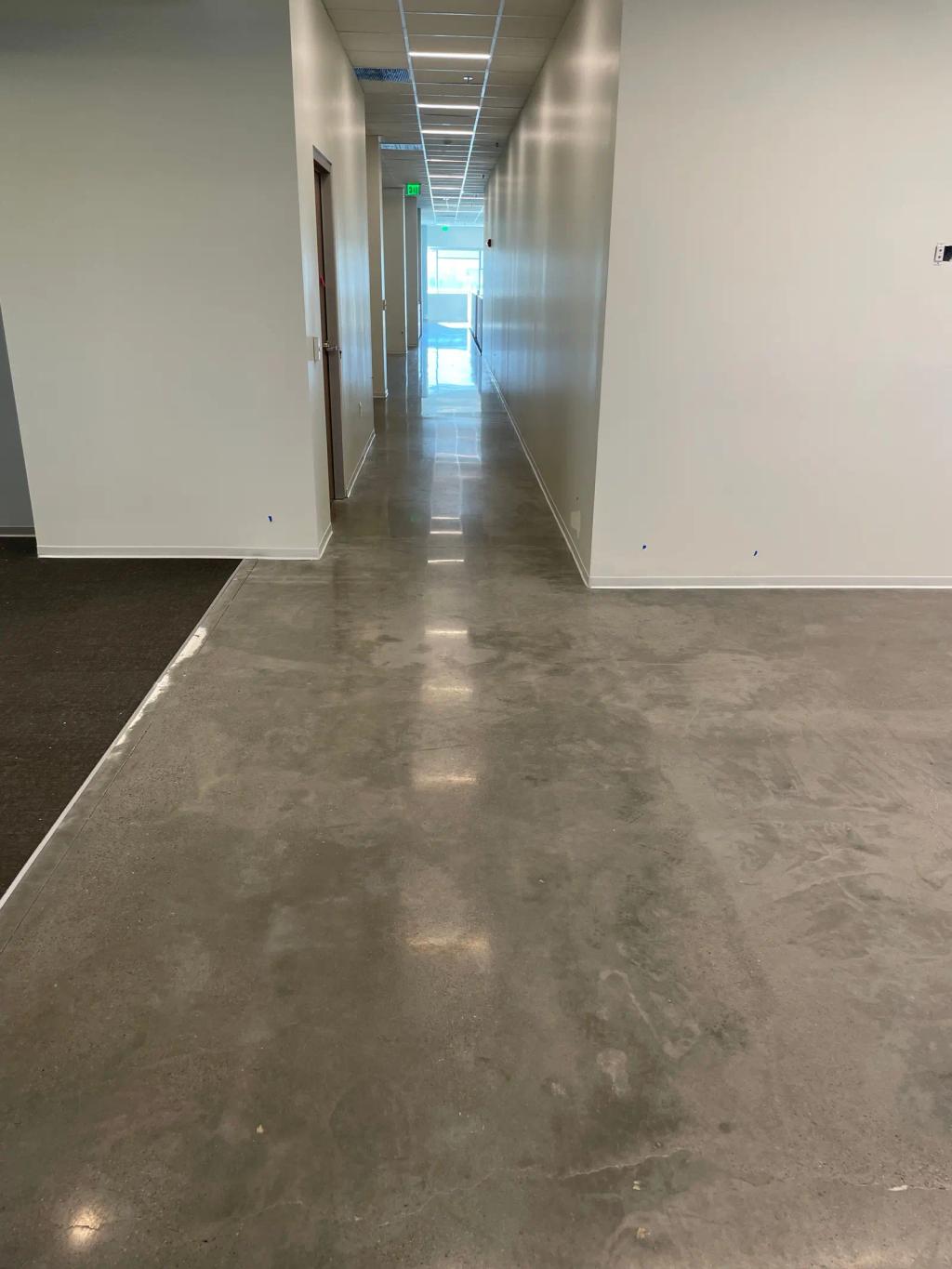
Manufacturing projects are usually scheduled around planned shutdowns, holidays or weekends, or done one zone at a time while production continues elsewhere.
Low-odor systems help where part of the building stays occupied.
People, forklifts and equipment return in stages as each area cures. Cure time depends on the system, the plant temperature and humidity, and whether the floor sees foot traffic, forklifts or chemicals first.
Prep and concrete testing
Plant slabs often hold oils and process residue that have to come off by grinding before a coating will bond.
Cracks, spalled joints and damaged areas around machine bases are repaired first.
The slab is tested for moisture when it needs it, listed in the bid, because vapor coming through the concrete is a common reason industrial coatings blister or lift. The result decides which system will hold.
Safety, chemicals and cleaning
Texture is built into the coating where floors get wet or oily and kept smoother where carts roll, so workers have dependable footing without slowing wheeled traffic.
A sample of the texture can be reviewed before the floor goes down.
Chemical spills should be cleaned up promptly rather than left on the coating, and cleaners should be ones the coating maker approves. A sealed floor stops dusting, which keeps equipment and products cleaner.
Maintenance and lifespan
Industrial floors last longest when the system matches the chemicals and traffic in each zone and wear is repaired before it spreads.
Prep quality, slab moisture and the daily load on the floor decide how long it goes before recoating.
Turning areas, dock edges and machine bases usually show wear first.
- Clean up chemical spills promptly
- Use an auto-scrubber with cleaners the coating maker approves
- Watch forklift turns, dock edges and machine bases and repair them early
- Sweep up metal shavings and grit that act like sandpaper under wheels
Process
How a bid works
Request
Send the building type, size and timing, and any plans or photos.
Site visit
For most bids, we look at the slab and agree the work window; moisture is tested when the slab needs it and listed in the bid. Some are bid from plans or an RFQ.
Written bid
Every bid comes in writing with the scope: the system, the prep and the areas covered.
Install
Planned around your hours. Before you reopen, we go over the cure schedule: when you can walk, load and drive on it.
Who installs your floor
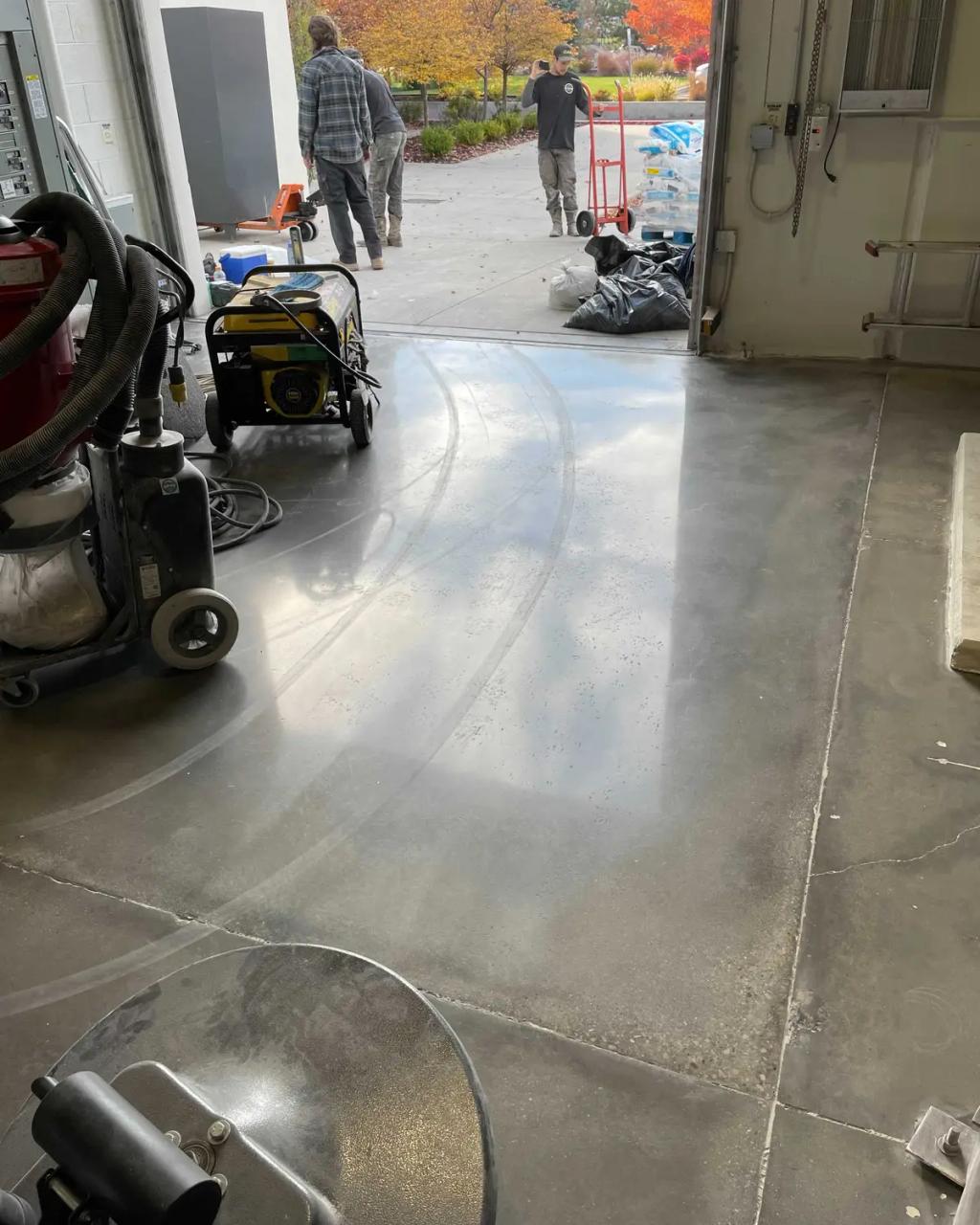
Installed by the same crew that's been with Elevated since day one
Every bid comes in writing with the scope: the system, the prep and the areas covered.
Most bids start with a look at the slab; some are bid from plans or an RFQ.
Every bid comes in writing with the scope.
Planned around your hours.
Keep reading
Systems, problems and guides for this work
- ComparisonsEpoxy vs urethane cementTwo seamless systems compared for heat, washdown, chemicals and appearance.Read more →
- Problems we fixChemical-damaged floorsEtched, softened or stained floors from spills and cleaners, and how resistant systems fix them.Read more →
- Problems we fixMoisture vapor failuresBlisters and lifting coating caused by moisture in the slab, and how vapor control fixes it.Read more →
- GuidesFloor coating cost factorsThe slab, system and schedule factors that decide what a commercial floor coating costs.Read more →
- IndustriesWarehouses & distributionForklift lanes, docks and aisles coated and sealed around your shipping schedule.Read more →
- LocationsDavis and Weber countiesIndustrial floors for Davis and Weber plants, hangars, warehouses and fleet garages, planned around shutdowns.Read more →
- GuidesWarehouse safety stripingHow to plan warehouse aisles, walkways and hazard markings, and keep the lines visible under traffic.Read more →
- BlogBest Floor Coating Solutions for Industrial WarehousesWhich floor coatings hold up in warehouses and distribution centers with forklifts, chemicals and heavy traffic, and how to choose the right system.Read more →
- BlogBenefits of Concrete Coatings for Commercial FloorsWhy businesses coat high-traffic concrete: durability, chemical resistance and easy cleaning. Which coatings suit busy commercial floors and why.Read more →
- BlogMinimizing Downtime During Commercial Floor CoatingsKeep a business running during a floor coating: fast-curing systems, phased zones, night and weekend installs and planning that shortens downtime.Read more →
- BlogWhy Concrete Polishing Works for Commercial SpacesWhy many businesses choose polished concrete: durable, low-maintenance and bright under heavy traffic, plus where a coating is the better choice.Read more →
Industries
Other industries we serve
- IndustriesRestaurants & kitchensSeamless, cleanable, slip-resistant floors for restaurants, quick-service kitchens and ice cream, soda and dessert shops — installed overnight or on your closed day.Read more →
- IndustriesBuild-outs & tenant improvementsMoving into a new space or remodeling one? Floors bid to your budget and scheduled around your build-out.Read more →
- IndustriesFranchise & multi-locationThe same floor in every store: we can install one spec across all your locations.Read more →
- IndustriesRetail, showrooms & officesPolished, metallic and flake floors for stores, showrooms, lobbies and offices, installed after hours.Read more →
- IndustriesAuto shops & dealershipsService bays that shrug off hot tires and fluids, and showroom floors that sell the cars on them.Read more →
- IndustriesAll industriesEvery type of facility we coat floors for, in one list.Read more →
FAQ
Manufacturing & industrial: questions
Straight answers to the questions we hear most.
Can you work during our planned shutdown?
Yes. Shutdowns and holiday weekends are when most plant floors get coated; we plan crews and curing around the window you have.
Will it resist our solvents and acids?
Tell us what's on the floor and we'll match a system with the manufacturer's chart to prove it.
Is it OSHA compliant?
OSHA sets requirements for keeping floors clean, dry where feasible, and free of hazards; it doesn't certify coatings. A seamless, textured floor that's easy to clean makes meeting those requirements easier.
Can you stripe aisles and hazard zones?
Yes. We do safety striping and line marking: aisle lines, pedestrian walkways and hazard zones, laid out with you.
Does welding damage a coated floor?
Hot spatter can mark or scorch many coatings. Welding areas often use a more heat-tolerant system, welding blankets or both.
Can a new coating go over an old one?
Sometimes, if the old coating is well bonded and compatible. Peeling or poorly bonded coatings are usually removed so the new system bonds to sound concrete.
How are machine bases handled?
The coating is usually run up to the base and sealed at the edge, or equipment is moved during a shutdown so the floor can be coated underneath.

Request a bid
Ready for a bid?
Send your project details or plans. We reply within 1 business day.