
Fire Station and EMS Floor Coatings in Utah
Apparatus bays carry heavy trucks, hot tires, diesel and daily washing, and the station never closes. We can coat bay by bay so crews stay ready to respond.
Rating
4.9 on Google
From 198+ Google reviews
Experience
10+ years
In Utah since 2016
Coverage
Licensed & insured
Installers
Same crew
Installed by the same crew that's been with Elevated since day one
What a station floor has to handle
Apparatus bays carry some of the heaviest vehicles in any municipal fleet, and hot tires returning from a call can soften and lift weaker coatings. Engines and ambulances are washed in the bay, so the floor is regularly wet with water, soap and whatever comes off the trucks.
Diesel, oil, hydraulic fluid and road salt drip onto the slab, and bay doors open to Utah weather all year. Decontamination rooms, gear rooms and station kitchens each add their own wear, from cleaning chemicals to wet gear and heavy foot traffic.
- Heavy apparatus and hot tires
- Truck washing and standing water
- Diesel, oil and road salt
- Decon chemicals and wet turnout gear
What we recommend and why
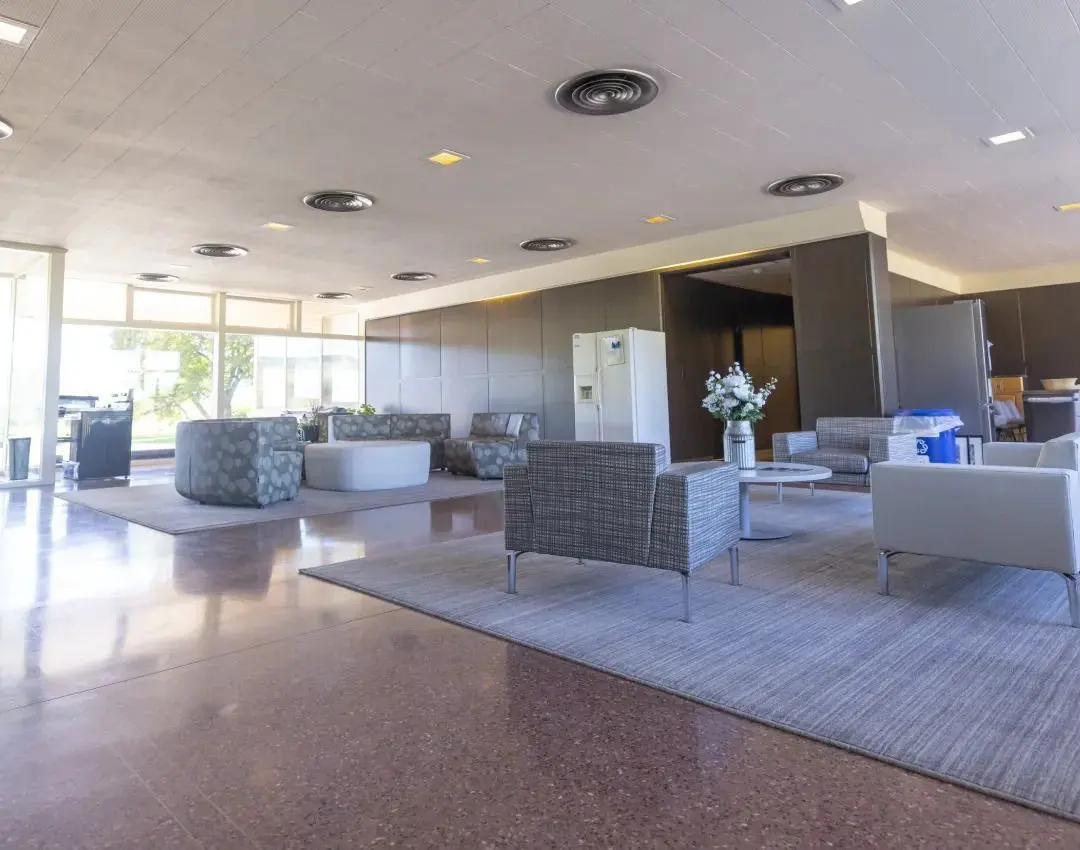
Apparatus bays commonly use a flake or quartz system with a polyaspartic or other hot-tire-resistant topcoat.
The broadcast texture adds traction for crews moving quickly on wet floors, and the topcoat holds up to tires and sunlight at open doors.
Decon rooms and wash areas that see disinfectants and frequent hosing are a good fit for urethane cement. Gear rooms, hallways and day rooms can use flake or solid epoxy, which are easy to clean and handle heavy foot traffic.
Flake floor coatings →Polyaspartic coatings →Urethane cement →
- Flake or quartz with a durable topcoat in bays
- Urethane cement in decon and wash rooms
- Flake or solid epoxy in gear rooms and hallways
How the install works while the station stays in service
Stations cannot close, so bays are coated one or two at a time while apparatus is parked in the remaining bays, at a neighboring station or outside.
The order is planned with the station so response is never blocked.
Most bids include a site visit (some are bid from plans or an RFQ), and every bid comes in writing with the scope. Return-to-service depends on the system and the temperature in the bay.
Prep and concrete testing
Bay slabs often carry oil and diesel that have soaked in under parked apparatus.
Those areas are cleaned and assessed, then the slab is ground to sound concrete and cracks and joints are repaired.
Trench drains, which run the length of many bays, get special attention so the coating seals tightly at their edges. Newer stations and bays without a vapor barrier are tested for moisture when the slab needs it, listed in the bid.
Safety and cleaning
Crews move fast on bay floors that are often wet, so traction is the main safety concern.
Texture can be set heavier in bays and decon areas and lighter in hallways and living spaces.
A seamless floor in decon rooms keeps contaminants from settling into seams and concrete, and it can be cleaned with the station's disinfectants. Spilled fuel and fluids should be cleaned up promptly in the bays.
- Textured bays and decon rooms
- Squeegee wash water to the drains
- Clean up diesel and fluid drips promptly
Maintenance and lifespan
Bay floors wear first under the apparatus tires and along the path from the door.
Regular scrubbing to remove grit and road salt keeps the topcoat from wearing early.
When the topcoat dulls or texture wears down, a recoat can be scheduled bay by bay just like the original install.
Process
How a bid works
Request
Send the building type, size and timing, and any plans or photos.
Site visit
For most bids, we look at the slab and agree the work window; moisture is tested when the slab needs it and listed in the bid. Some are bid from plans or an RFQ.
Written bid
Every bid comes in writing with the scope: the system, the prep and the areas covered.
Install
Planned around your hours. Before you reopen, we go over the cure schedule: when you can walk, load and drive on it.
Who installs your floor
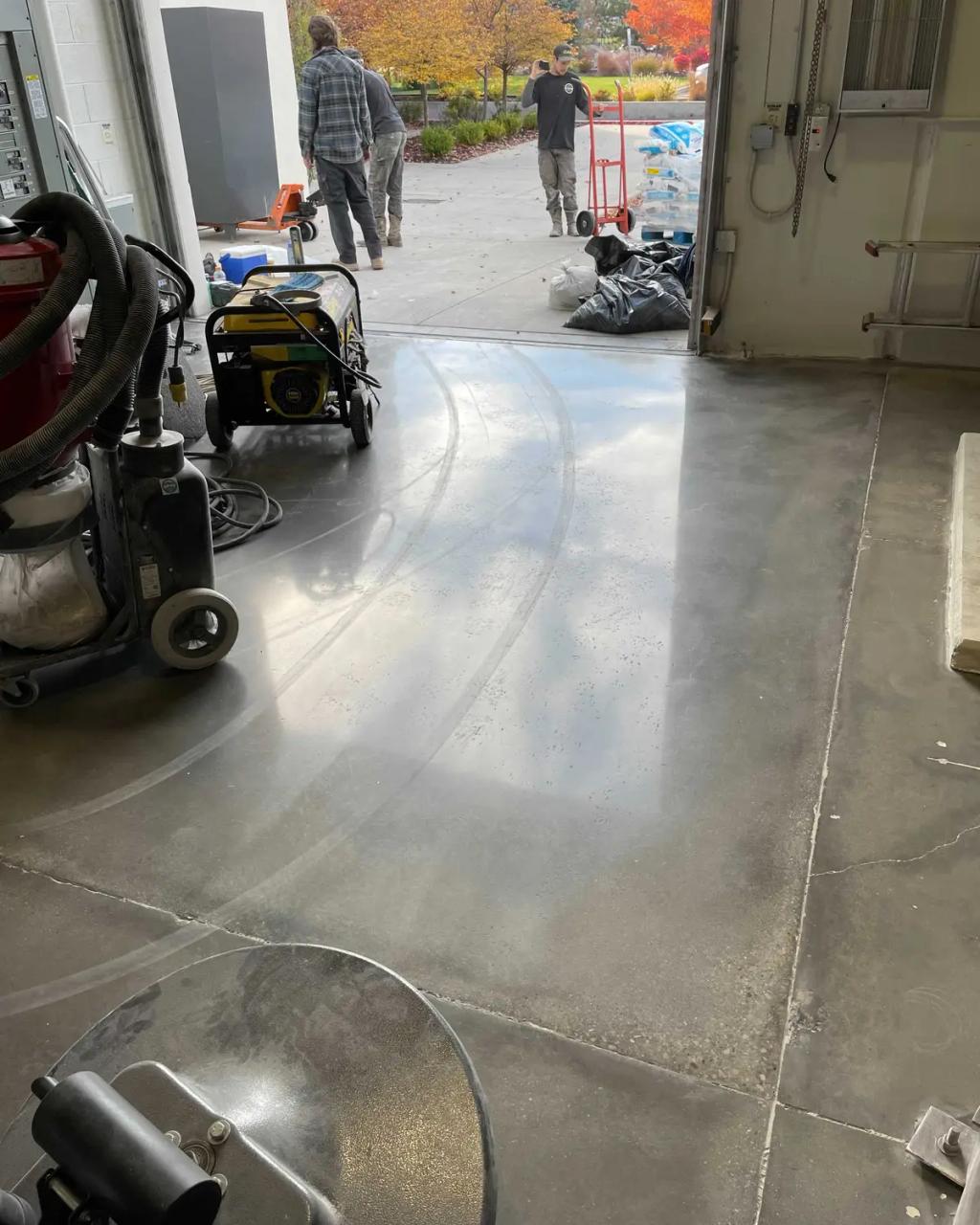
Installed by the same crew that's been with Elevated since day one
Every bid comes in writing with the scope: the system, the prep and the areas covered.
Most bids start with a look at the slab; some are bid from plans or an RFQ.
Every bid comes in writing with the scope.
Planned around your hours.
Keep reading
Systems, problems and guides for this work
- IndustriesFleet & Municipal GaragesHeavy-duty floors for fleet shops, public works garages and truck bays that face salt and fluids.Read more →
- IndustriesAircraft hangarsBright, fluid-resistant hangar floors that carry aircraft and tugs and make dropped parts easy to spot.Read more →
- SystemsFlake coatingsA textured, multi-color coating that hides scuffs and suits busy staff and service areas.Read more →
- ComparisonsPolyaspartic vs epoxyFast-curing polyaspartic and build-friendly epoxy compared on downtime, UV and wear.Read more →
- Problems we fixSlippery wet floorsFloors that turn slick with water, grease or snow, and how textured systems add traction.Read more →
Industries
Other industries we serve
- IndustriesRestaurants & kitchensSeamless, cleanable, slip-resistant floors for restaurants, quick-service kitchens and ice cream, soda and dessert shops — installed overnight or on your closed day.Read more →
- IndustriesBuild-outs & tenant improvementsMoving into a new space or remodeling one? Floors bid to your budget and scheduled around your build-out.Read more →
- IndustriesFranchise & multi-locationThe same floor in every store: we can install one spec across all your locations.Read more →
- IndustriesRetail, showrooms & officesPolished, metallic and flake floors for stores, showrooms, lobbies and offices, installed after hours.Read more →
- IndustriesAuto shops & dealershipsService bays that shrug off hot tires and fluids, and showroom floors that sell the cars on them.Read more →
- IndustriesAll industriesEvery type of facility we coat floors for, in one list.Read more →
FAQ
Fire stations & EMS: questions
Straight answers to the questions we hear most.
Will hot tires lift the coating in our bays?
Hot tire pickup happens with some coatings, especially thin or poorly bonded ones. Choosing a system and topcoat made to resist it, over a properly prepared slab, is the main defense.
Can the station stay in service during the project?
Yes. Bays are done one or two at a time, and apparatus is parked elsewhere while each bay is coated and cured.
What floor works best in a decon room?
Decon rooms see disinfectants and frequent washing, so a seamless system like urethane cement is common. It keeps contaminants on the surface where they can be cleaned off.
Do bay floors need to be textured?
Most stations want texture because crews move quickly on wet floors. The amount can be set by area so bays get more grip and living spaces stay easier to clean.

Request a bid
Ready for a bid?
Send your project details or plans. We reply within 1 business day.