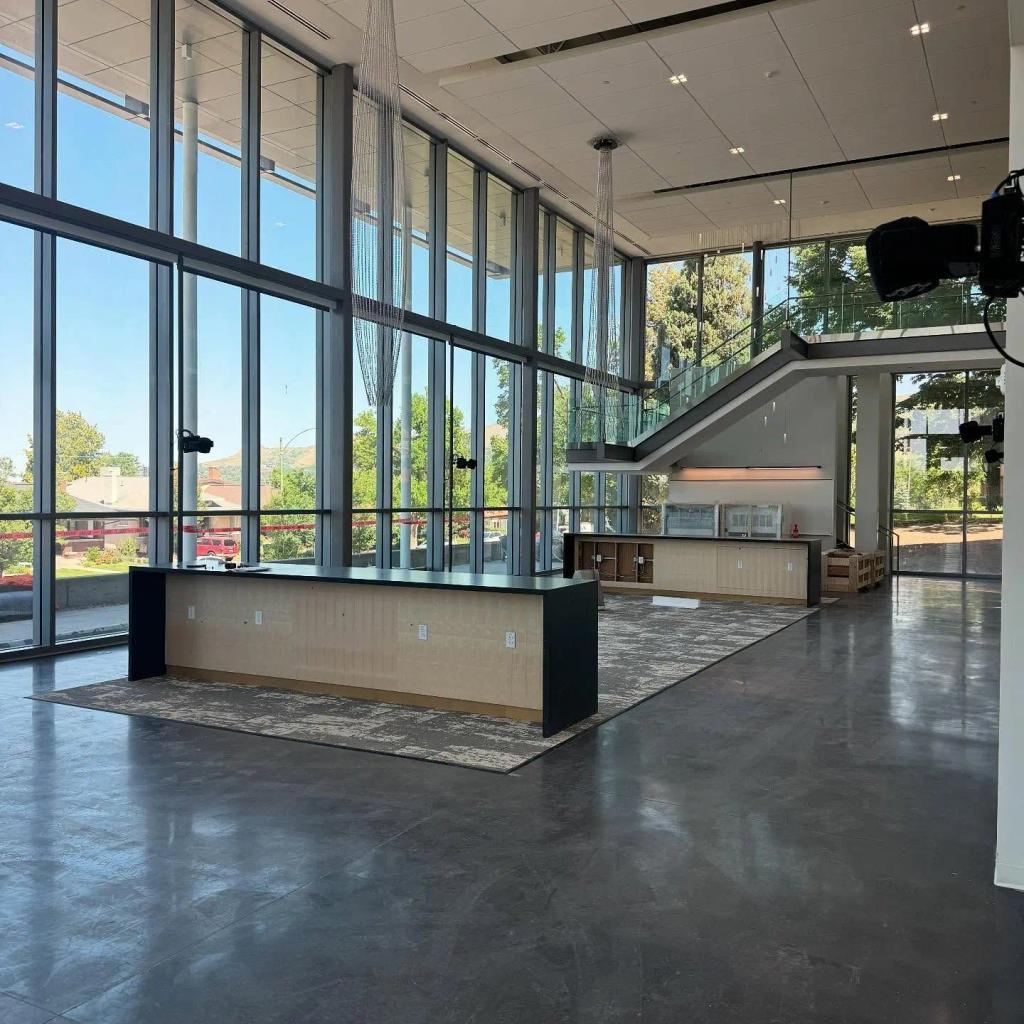

Grocery store floor coatings in Utah
A grocery store is several different floors under one roof: a sales floor shoppers see, a receiving room that takes pallet jacks, and prep rooms that get washed down daily. Each area needs its own system.
Rating
4.9 on Google
From 198+ Google reviews
Experience
10+ years
In Utah since 2016
Coverage
Licensed & insured
Installers
Same crew
Installed by the same crew that's been with Elevated since day one
What a grocery floor has to handle
Sales floors carry shopping carts, floor scrubbers and stocking carts across huge areas, and they need to look clean and bright to customers. Produce misters, freezer cases and spilled products add water and sugar to the floor.
Behind the doors, receiving rooms take pallet jacks and deliveries, while meat, seafood, deli and bakery rooms see fats, blood, hot water and daily washdowns. Walk-in coolers and freezers add cold temperatures and condensation.
- Shopping carts and auto-scrubbers on the sales floor
- Pallet jacks and deliveries in receiving
- Fats, blood and washdown in meat and deli rooms
- Sugar, flour and oven heat in the bakery
- Condensation and cold in walk-ins
What we recommend and why
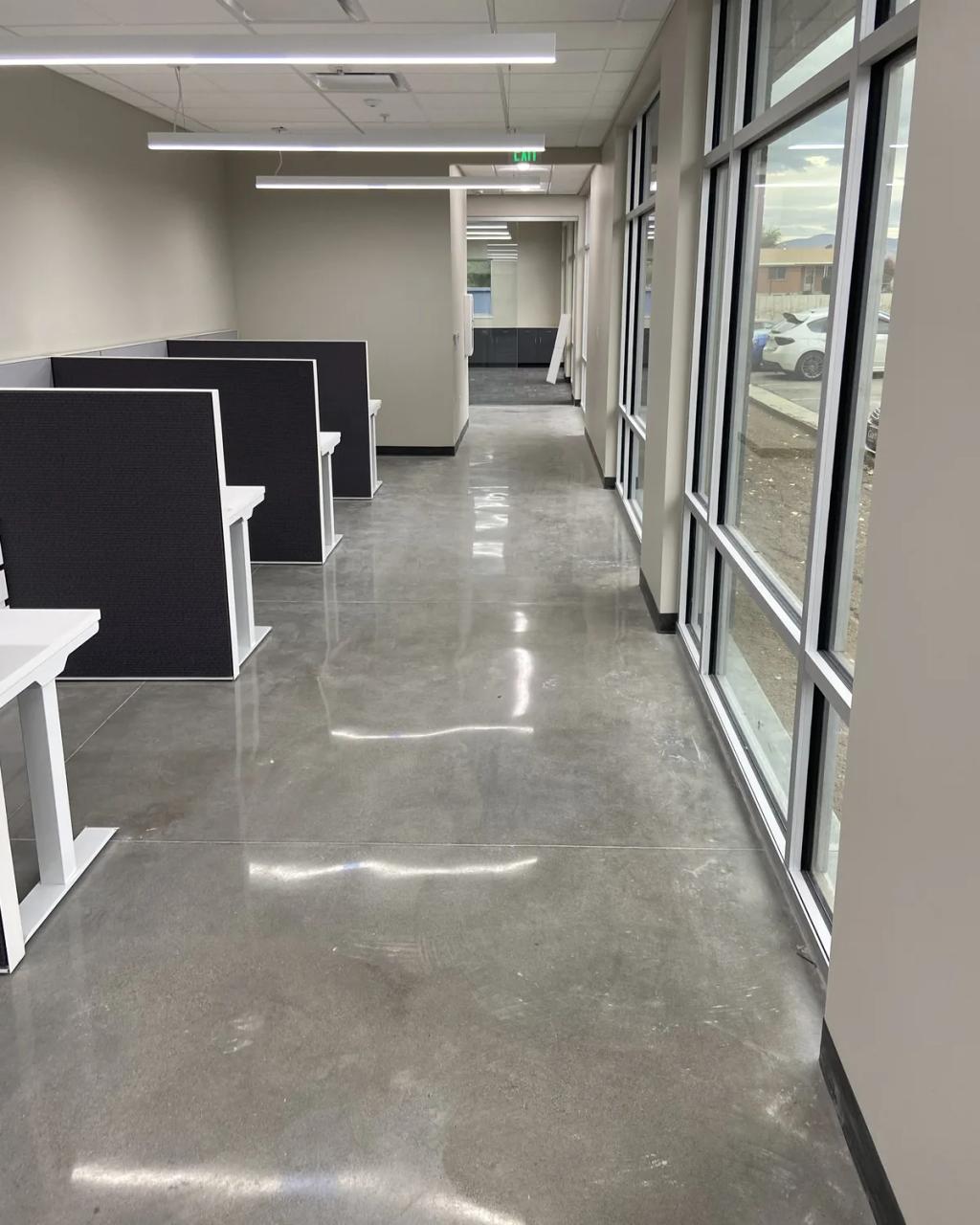
Polished concrete is common on grocery sales floors because it is bright, durable under carts and easy to maintain with the scrubbers stores already run.
Receiving rooms and stockrooms often get solid epoxy, which resists pallet jack wear and makes spills easy to see and clean.
Meat, seafood, deli and bakery prep rooms that see hot water, steam or harsh cleaning are a good fit for urethane cement, which tolerates heat, moisture and thermal shock. Those rooms are usually finished with texture for footing.
How the install works around your store hours
Grocery stores are open long hours and many never fully close, so sales floor work is usually done overnight, a section of aisles at a time.
Prep rooms are often scheduled department by department so the store can keep selling.
The site visit maps out which areas can go down together and how long each needs to cure. That turns into a plan the store manager and department leads can work around.
Prep and concrete testing
Older stores often have vinyl composition tile that has to come up, leaving adhesive that is ground off before polishing or coating.
In prep rooms, grease and cleaning residue soak deep into concrete and have to be removed so the new floor bonds.
Drains and floor sinks are detailed carefully, since water that gets behind a coating at a drain is a common cause of failure. Slabs are moisture-tested, which matters around freezer cases and walk-ins.
Safety, food rules and cleaning
Health inspectors generally look for floors in food prep areas that are smooth, durable, nonabsorbent and easy to clean, which is what the FDA Food Code asks of these surfaces in general terms.
A seamless coating that is sealed at drains and walls helps meet that standard.
Slips are a major concern on both sides of the store. Sales floors stay smooth for carts, while wet prep rooms get added texture and walk-in floors are chosen for cold, damp conditions.
Maintenance and lifespan
Polished sales floors stay bright with regular scrubbing and periodic burnishing, and they avoid the stripping and waxing that tile floors need.
Coated back rooms and prep areas should be cleaned with products compatible with the system.
Lifespan varies by department: a bakery floor ages differently from a meat room or a receiving dock.
Inspecting high-wear spots such as dock doors, drain edges and cart corrals lets small repairs happen before they spread.
- Scrub sales floors with a neutral cleaner
- Repair chipped spots at dock doors early
- Watch drain edges in washdown rooms
- Keep pallet jack wheels clean and in good repair
Process
How a bid works
Request
Send the building type, size and timing, and any plans or photos.
Site visit
For most bids, we look at the slab and agree the work window; moisture is tested when the slab needs it and listed in the bid. Some are bid from plans or an RFQ.
Written bid
Every bid comes in writing with the scope: the system, the prep and the areas covered.
Install
Planned around your hours. Before you reopen, we go over the cure schedule: when you can walk, load and drive on it.
Who installs your floor
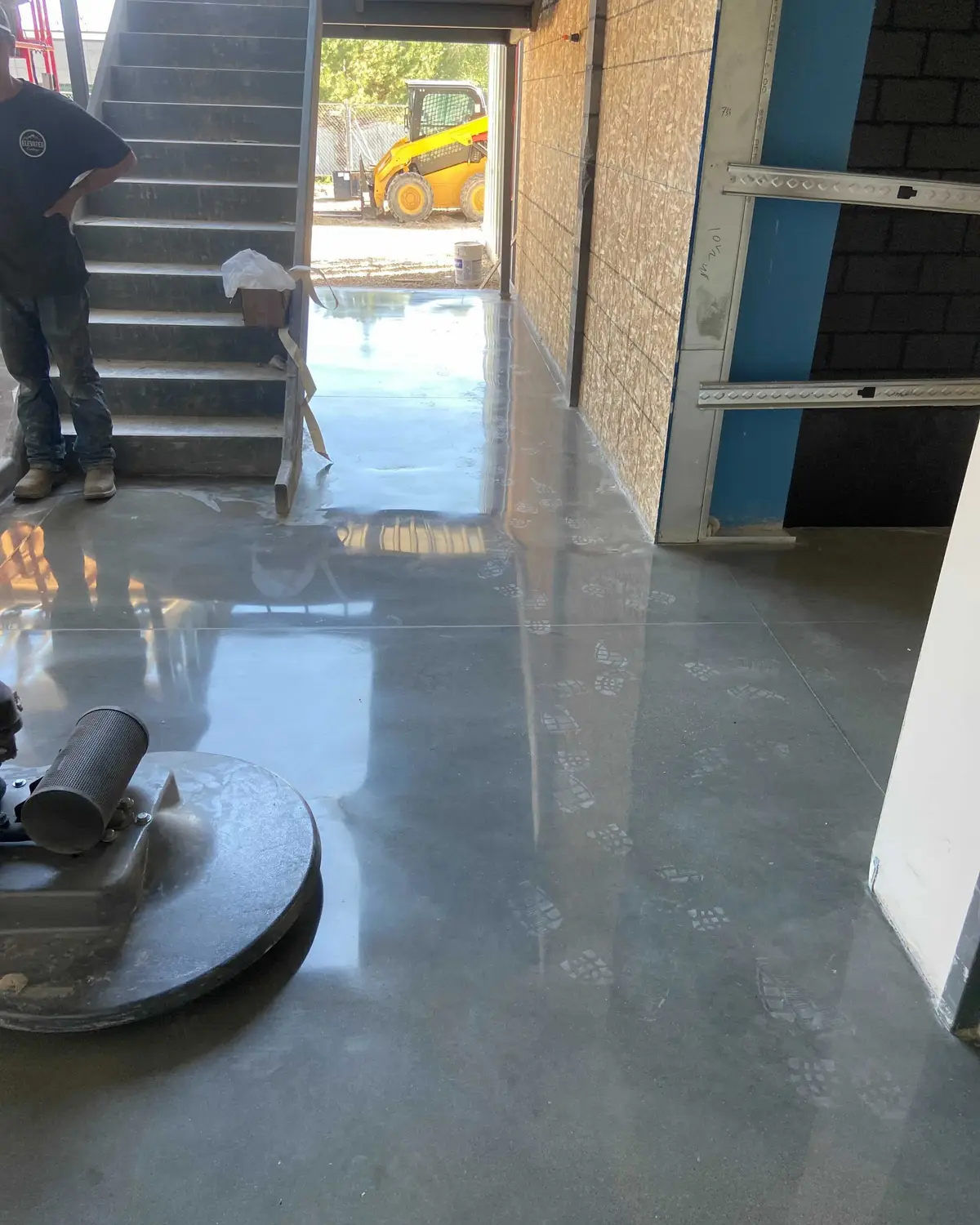
Installed by the same crew that's been with Elevated since day one
Every bid comes in writing with the scope: the system, the prep and the areas covered.
Most bids start with a look at the slab; some are bid from plans or an RFQ.
Every bid comes in writing with the scope.
Planned around your hours.
Keep reading
Systems, problems and guides for this work
- IndustriesFood & beverage plantsSeamless washdown floors for food plants and breweries that handle steam and thermal shock.Read more →
- IndustriesCold storage & freezersFloors for coolers, freezers and cold warehouses that handle low temperatures, condensation and forklifts.Read more →
- IndustriesRestaurants & kitchensSeamless, slip-resistant kitchen floors installed overnight or on your closed day.Read more →
- GuidesRestaurant floors and food codeWhat food-safety rules generally ask of kitchen floors, and how seamless coatings meet them.Read more →
- ComparisonsEpoxy vs polished concreteA resin coating versus the slab itself, compared on spills, wear, looks and upkeep.Read more →
- CommercialRequest a bidSend the building, size and timing for a written bid.Read more →
Industries
Other industries we serve
- IndustriesRestaurants & kitchensSeamless, cleanable, slip-resistant floors for restaurants, quick-service kitchens and ice cream, soda and dessert shops — installed overnight or on your closed day.Read more →
- IndustriesBuild-outs & tenant improvementsMoving into a new space or remodeling one? Floors bid to your budget and scheduled around your build-out.Read more →
- IndustriesFranchise & multi-locationThe same floor in every store: we can install one spec across all your locations.Read more →
- IndustriesRetail, showrooms & officesPolished, metallic and flake floors for stores, showrooms, lobbies and offices, installed after hours.Read more →
- IndustriesAuto shops & dealershipsService bays that shrug off hot tires and fluids, and showroom floors that sell the cars on them.Read more →
- IndustriesAll industriesEvery type of facility we coat floors for, in one list.Read more →
FAQ
Grocery Stores: questions
Straight answers to the questions we hear most.
Can a grocery sales floor be redone without closing the store?
Usually yes. Work is done overnight in sections, though the plan depends on the system and the store's hours.
Why not use the same floor everywhere in the store?
Each area faces different conditions. A polished sales floor would not hold up to hot washdowns in a meat room, and a heavy prep-room system is more than a sales floor needs.
Can walk-in cooler and freezer floors be coated?
They can, but cold rooms need a system suited to low temperatures and usually have to be warmed or taken offline during installation. The cold storage page covers this in more detail.
Does polished concrete need waxing?
No. Polished concrete gets its shine from the concrete itself, so it is maintained with regular cleaning and occasional burnishing rather than strip-and-wax cycles.

Request a bid
Ready for a bid?
Send your project details or plans. We reply within 1 business day.