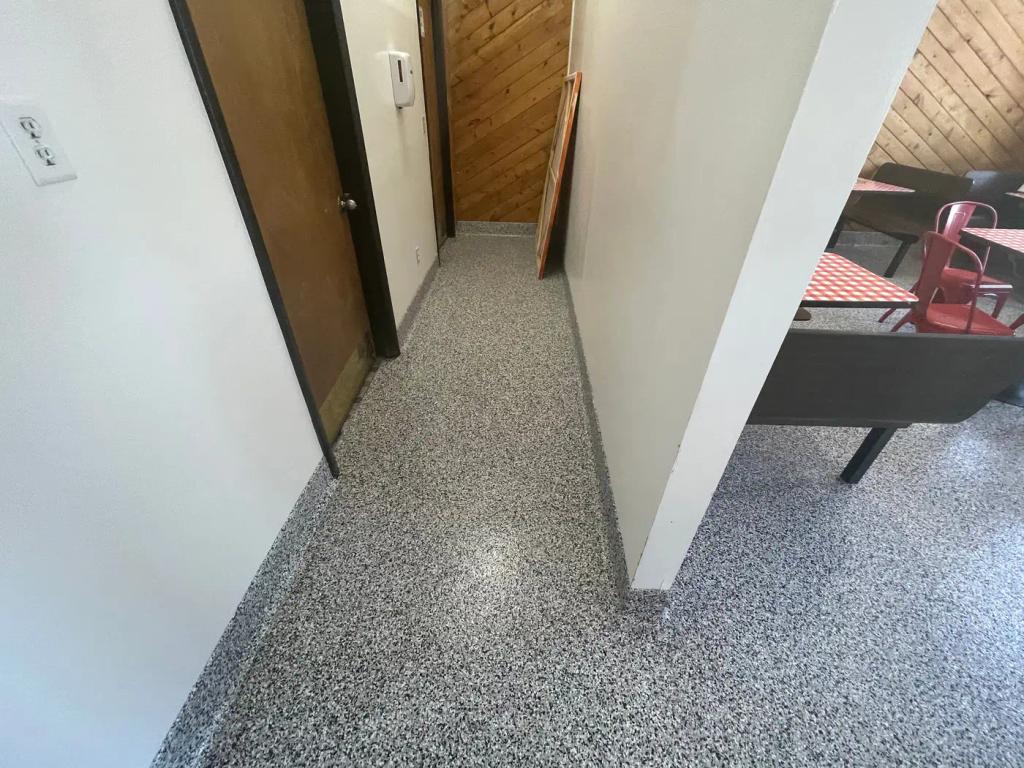

Cold Storage and Freezer Floor Coatings in Utah
Low temperatures, condensation at the doors and forklifts moving between warm and cold rooms are hard on floors. Cold rooms need systems chosen for those conditions.
Rating
4.9 on Google
From 198+ Google reviews
Experience
10+ years
In Utah since 2016
Coverage
Licensed & insured
Installers
Same crew
Installed by the same crew that's been with Elevated since day one
What a cold storage floor has to handle
Coatings get stiffer and more brittle as they get colder, so a floor that holds up in a warm warehouse can crack or chip in a freezer. Forklifts and pallet jacks crossing from a dock into a cold room move the floor through warm and cold again and again.
Condensation forms where warm air meets cold surfaces, especially at doorways and strip curtains, leaving the floor wet and sometimes icy. Food products, cleaning chemicals and dropped pallets add to the wear.
- Brittleness and cracking at low temperatures
- Thermal cycling at doors and transitions
- Condensation and ice at doorways
- Forklift and pallet jack traffic
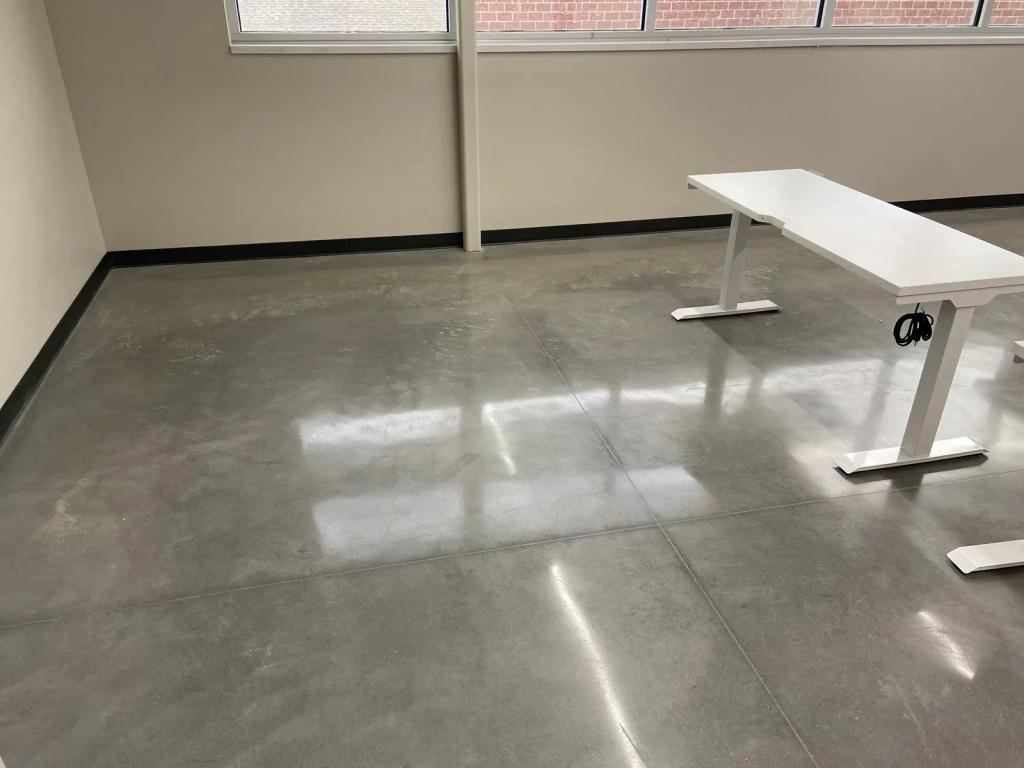
What we recommend and why
Urethane cement is often the first choice for cold rooms and freezers.
It stays tougher at low temperatures than most epoxies and handles the thermal cycling at doors and transitions without cracking as readily.
Dock areas and warm rooms next to the cold space can use solid epoxy, with joint fill to protect slab joints from forklift wheels. A broadcast quartz texture can be added at doorways where condensation makes the floor wet.
- Urethane cement inside coolers and freezers
- Solid epoxy for docks and warm-side rooms
- Joint fill to protect slab joints
- Added texture where condensation collects
How the install works around refrigeration
Most coatings need the slab and air within a certain temperature range to cure properly.
For an existing cooler or freezer, that usually means emptying the room, shutting down refrigeration and letting the space warm up before prep starts, then bringing it back down gradually after cure.
Product has to be moved to other cold space while that happens, so cold storage projects are planned closely with operations. Most bids include a site visit (some are bid from plans or an RFQ), and every bid comes in writing with the scope.
Prep and concrete testing
Once a cold room warms up, its slab can release trapped moisture and frost, so the concrete is allowed to dry and then tested before coating.
Coating over a slab that is still wet is a common cause of failure in these rooms.
The surface is ground to remove old coatings and contaminants, cracks are repaired, and joints are cleaned out and filled. Freezer floors with heaving or major structural cracking point to problems below the slab that a coating cannot fix, and those are flagged at the site visit.
Safety, compliance and cleaning
Wet or icy floors at freezer doors are the biggest slip risk in cold storage, and texture in those zones helps.
Keeping door seals, strip curtains and air curtains in good shape reduces how much moisture reaches the floor in the first place.
Where food is stored, food-safety rules and inspectors generally look for floors that are smooth, durable, nonabsorbent and easy to clean. A seamless coated floor is easier to keep that way than bare or broken concrete.
- Textured finish at doorways and transitions
- Maintain door seals and strip curtains
- Clean with products suited to cold rooms
Maintenance and lifespan
Doorways, dock transitions and forklift turning areas wear first in cold storage.
Small chips should be repaired before moisture gets under them, since freezing and thawing beneath a coating makes damage spread.
Joints need periodic inspection as well, and joint filler can be replaced on its own when edges start to break down.
Process
How a bid works
Request
Send the building type, size and timing, and any plans or photos.
Site visit
For most bids, we look at the slab and agree the work window; moisture is tested when the slab needs it and listed in the bid. Some are bid from plans or an RFQ.
Written bid
Every bid comes in writing with the scope: the system, the prep and the areas covered.
Install
Planned around your hours. Before you reopen, we go over the cure schedule: when you can walk, load and drive on it.
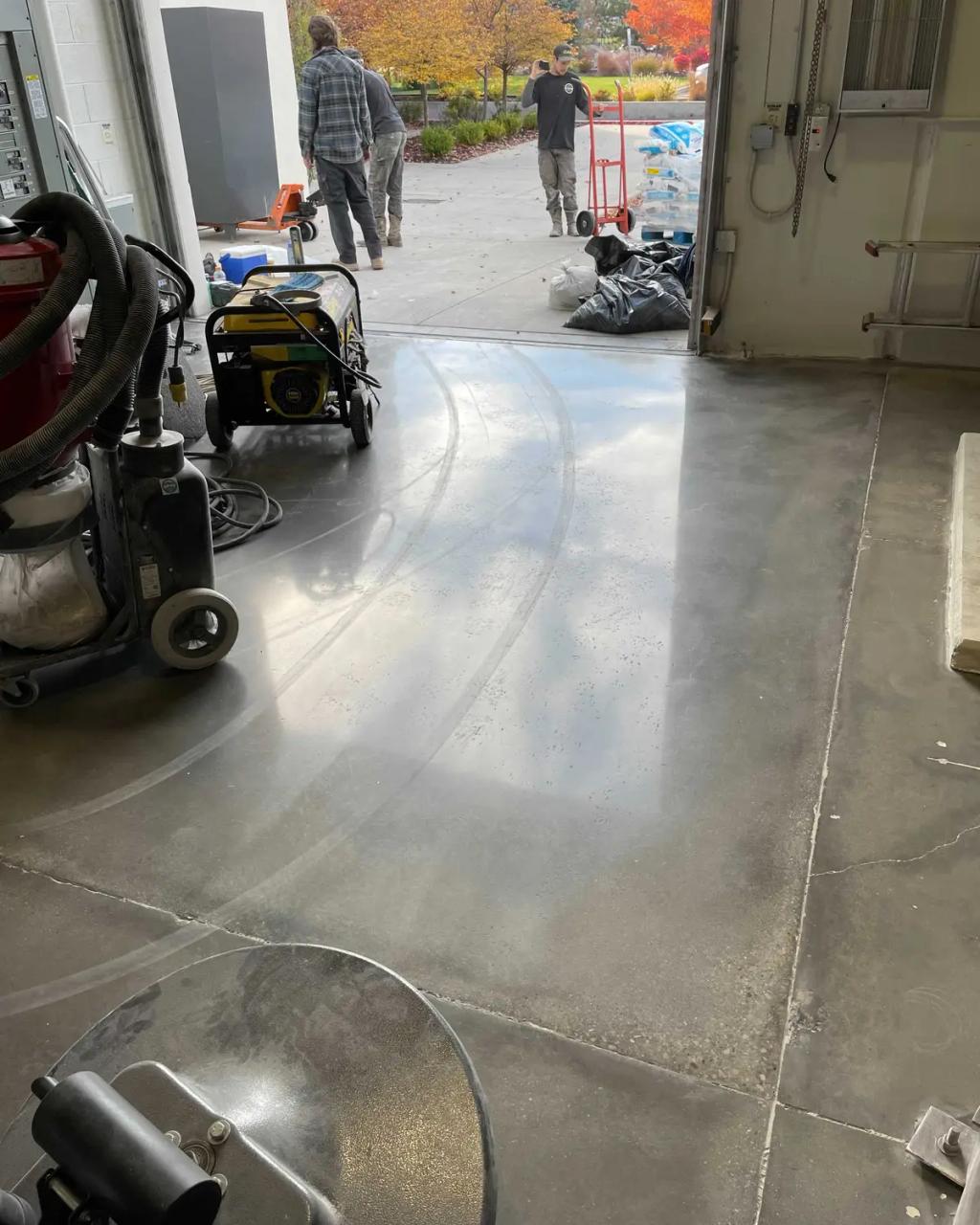
Who installs your floor
Installed by the same crew that's been with Elevated since day one
Every bid comes in writing with the scope: the system, the prep and the areas covered.
Most bids start with a look at the slab; some are bid from plans or an RFQ.
Every bid comes in writing with the scope.
Planned around your hours.
Keep reading
Systems, problems and guides for this work
- IndustriesFood & beverage plantsSeamless washdown floors for food plants and breweries that handle steam and thermal shock.Read more →
- IndustriesWarehouses & distributionForklift lanes, docks and aisles coated and sealed around your shipping schedule.Read more →
- IndustriesGrocery StoresSales floors, receiving rooms and fresh departments, each with the right system and installed overnight.Read more →
- SystemsUrethane cementA heavy-duty floor for hot washdown, steam cleaning and thermal shock.Read more →
- Problems we fixPeeling floor coatingCoating that flakes, lifts or delaminates, what usually caused it and how it is redone right.Read more →
Industries
Other industries we serve
- IndustriesRestaurants & kitchensSeamless, cleanable, slip-resistant floors for restaurants, quick-service kitchens and ice cream, soda and dessert shops — installed overnight or on your closed day.Read more →
- IndustriesBuild-outs & tenant improvementsMoving into a new space or remodeling one? Floors bid to your budget and scheduled around your build-out.Read more →
- IndustriesFranchise & multi-locationThe same floor in every store: we can install one spec across all your locations.Read more →
- IndustriesRetail, showrooms & officesPolished, metallic and flake floors for stores, showrooms, lobbies and offices, installed after hours.Read more →
- IndustriesAuto shops & dealershipsService bays that shrug off hot tires and fluids, and showroom floors that sell the cars on them.Read more →
- IndustriesAll industriesEvery type of facility we coat floors for, in one list.Read more →
FAQ
Cold storage & freezers: questions
Straight answers to the questions we hear most.
Can a freezer floor be coated without shutting it down?
Usually not. Most systems need the slab warmer than freezer temperatures to bond and cure, so the room is emptied and warmed first, then cooled gradually after the cure.
Why does the floor at our freezer door keep failing?
Doorways see the most thermal cycling, condensation and forklift traffic, so coatings that are too rigid crack there first. A tougher system and good door seals help.
Is epoxy a good choice for a freezer?
Standard epoxy gets brittle in the cold and is better suited to docks and warm rooms. Urethane cement is generally the better fit inside coolers and freezers.
Can a walk-in cooler in a restaurant be coated?
Yes. Walk-ins follow the same steps on a smaller scale, and they are often done along with the kitchen floor during a planned closure.

Request a bid
Ready for a bid?
Send your project details or plans. We reply within 1 business day.