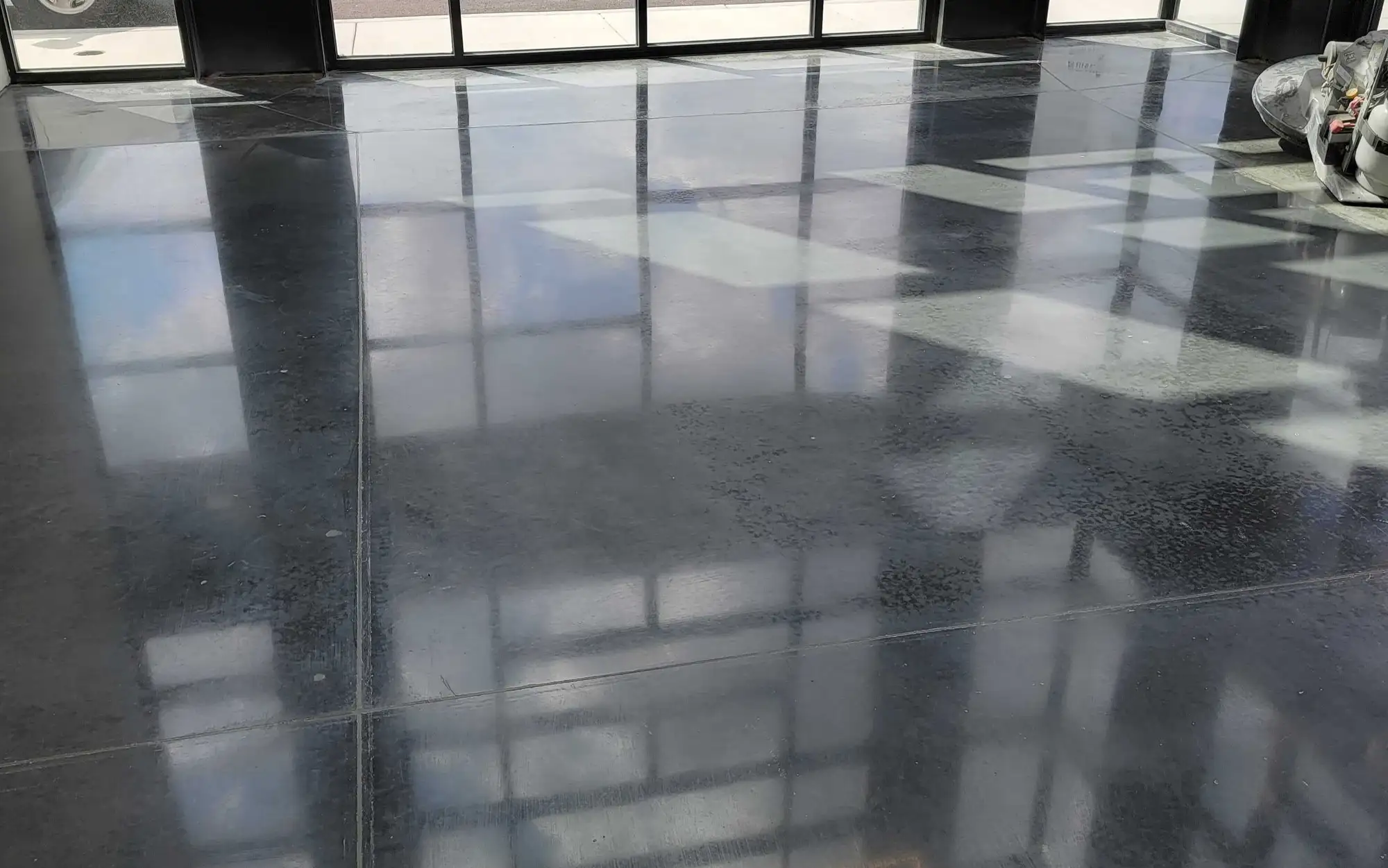

Commercial floor coatings in the Salt Lake Valley
The valley holds Utah's widest mix of commercial floors, from distribution buildings near the airport to downtown kitchens and suburban storefronts. Each one needs a system matched to how it is used.
A valley of very different floors
Salt Lake County is Utah's largest business center.
Downtown Salt Lake City has offices, hotels, restaurants and the convention district, while cities such as Sandy, Murray, South Jordan and Draper add retail centers, medical offices and corporate campuses. On the west side, the land around Salt Lake City International Airport and along I-80, I-215 and SR-201 holds much of the state's warehouse, distribution and light industrial space. That puts forklift aisles and showroom lobbies within a short drive of each other, and each needs a different floor.
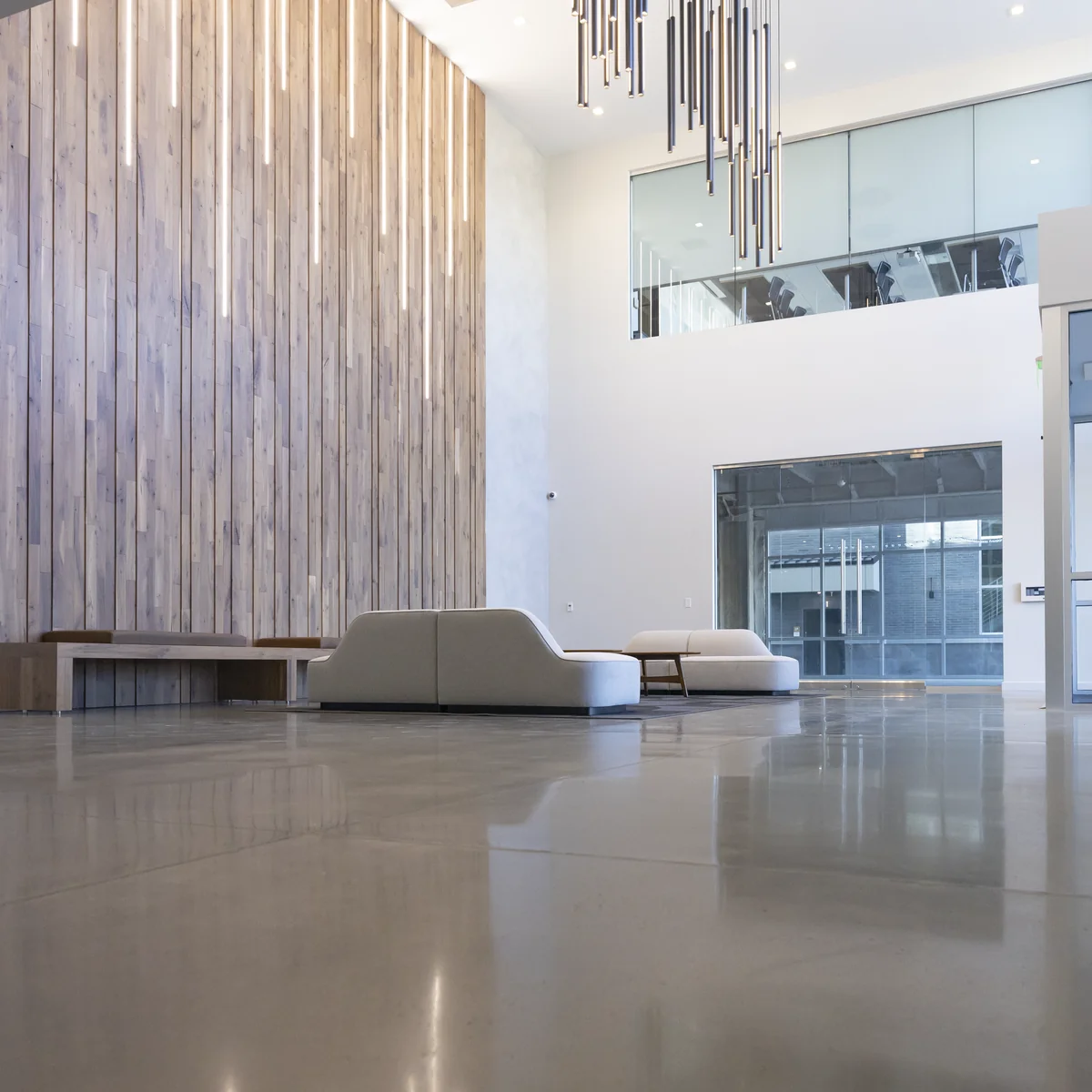
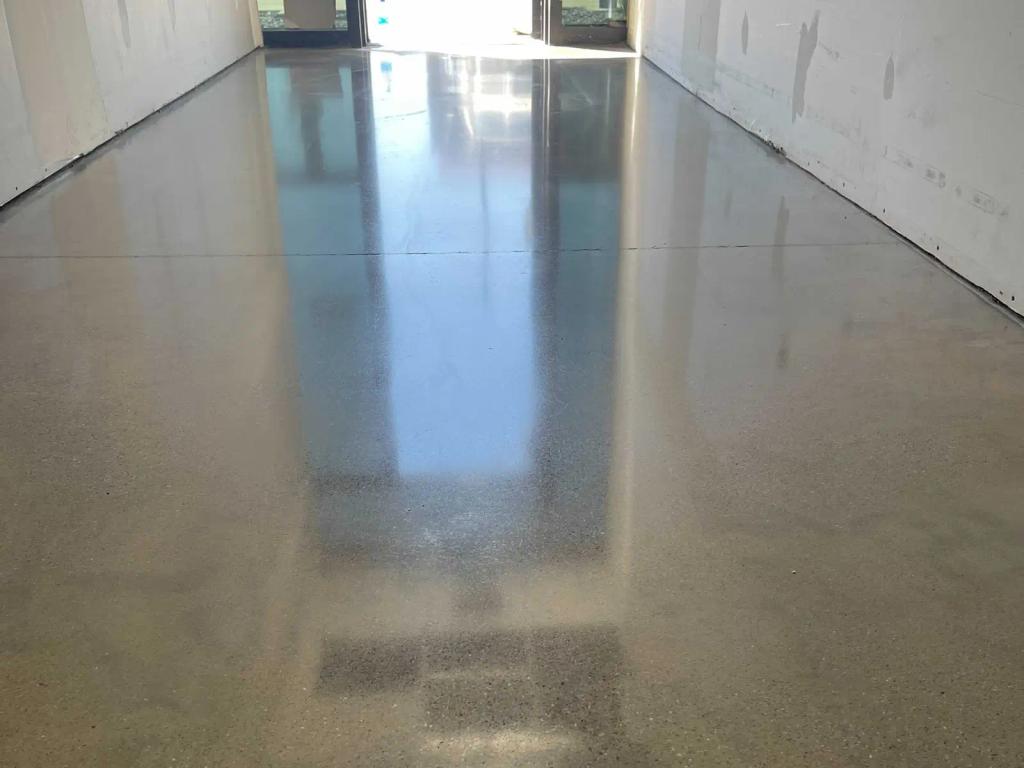
Warehouses and distribution on the west side
Distribution and industrial buildings in the northwest quadrant, West Valley City and the west-side corridors run forklifts all day. Bare slabs in these buildings dust, chip at the joints and wear grooves along the busiest aisles.
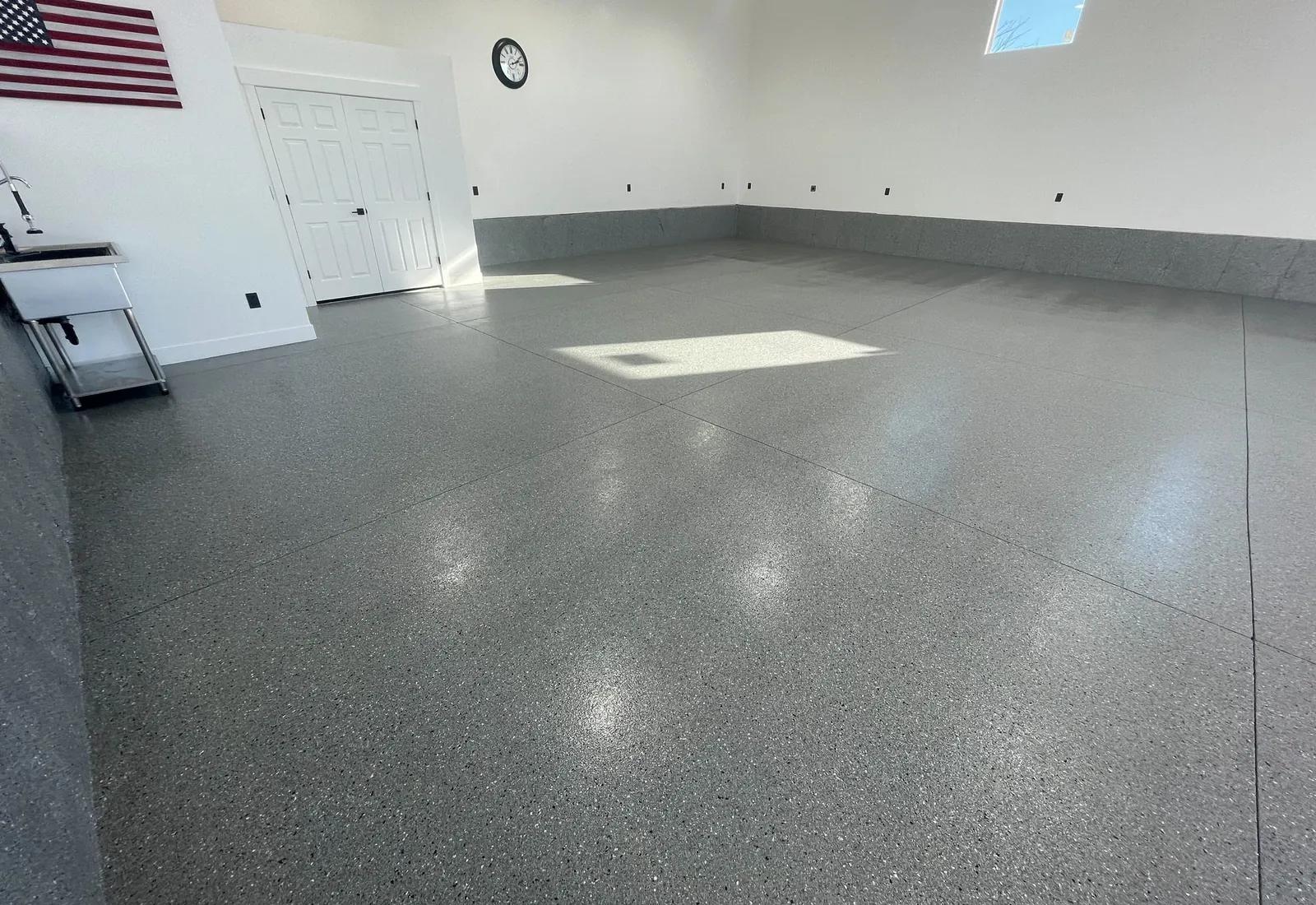
Many of these buildings are new, so their slabs are tested for moisture when they need it, listed in the bid. Joint fill protects slab edges from forklift wheels, and solid epoxy or a sealer is chosen by how heavy the traffic is.
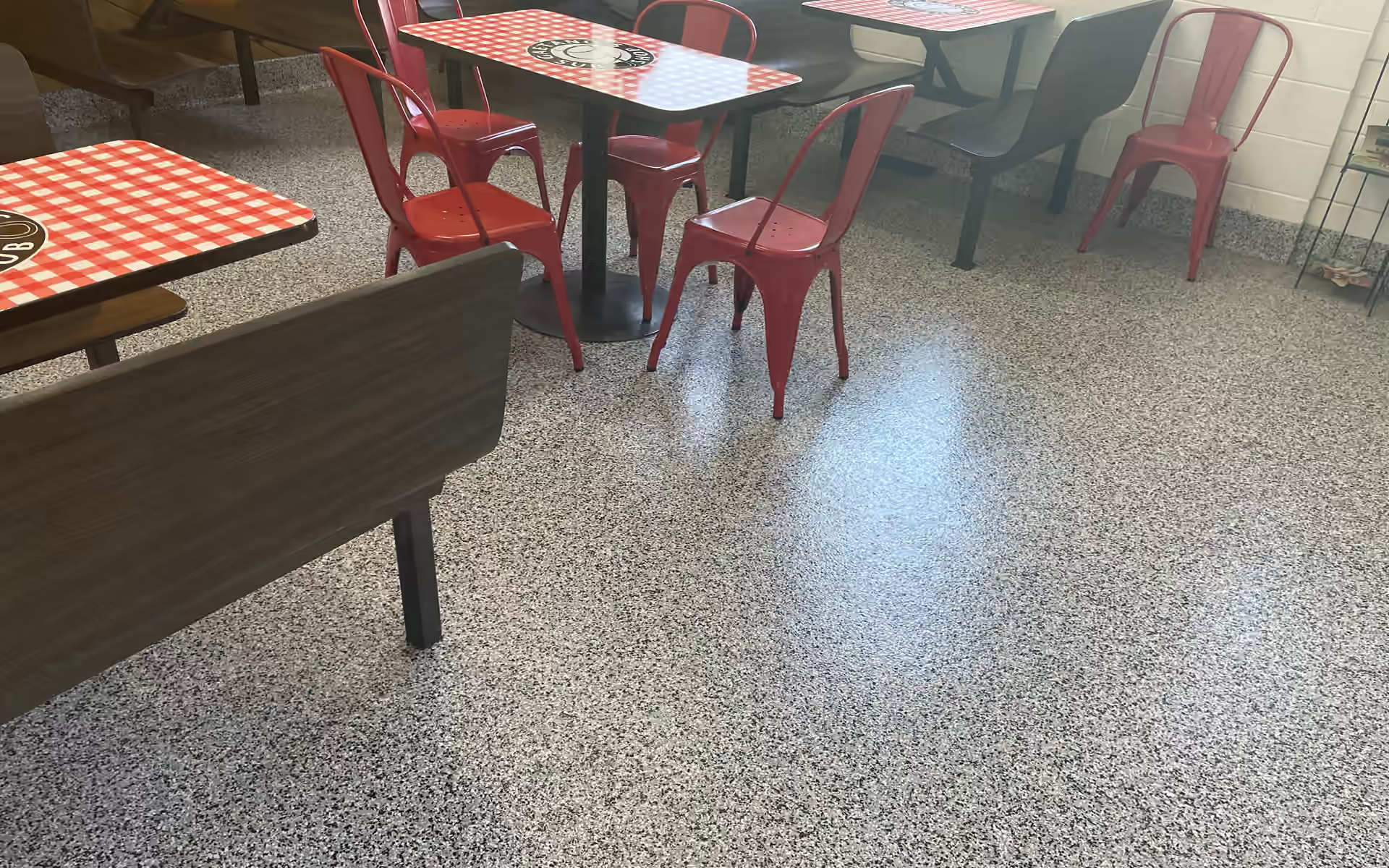
Restaurants, offices and retail
Downtown and the valley's busy suburban corridors have a steady turnover of restaurants, shops and offices. Kitchens need a seamless floor that handles hot water and grease, while dining rooms, lobbies and sales floors are chosen for looks and easy care.
When a space changes tenants, the floor is often part of the build-out. Polished concrete, metallic epoxy and stained concrete are common choices for front-of-house areas.
Before & after
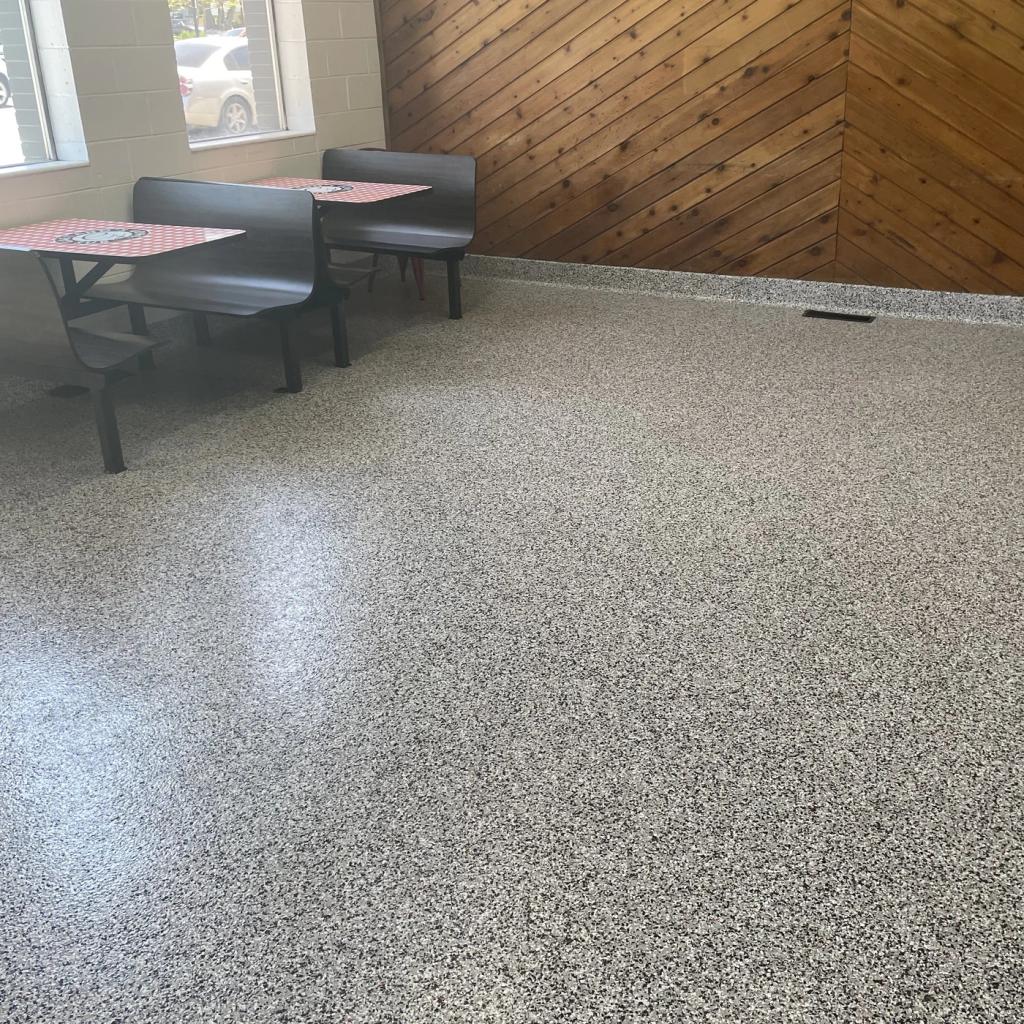
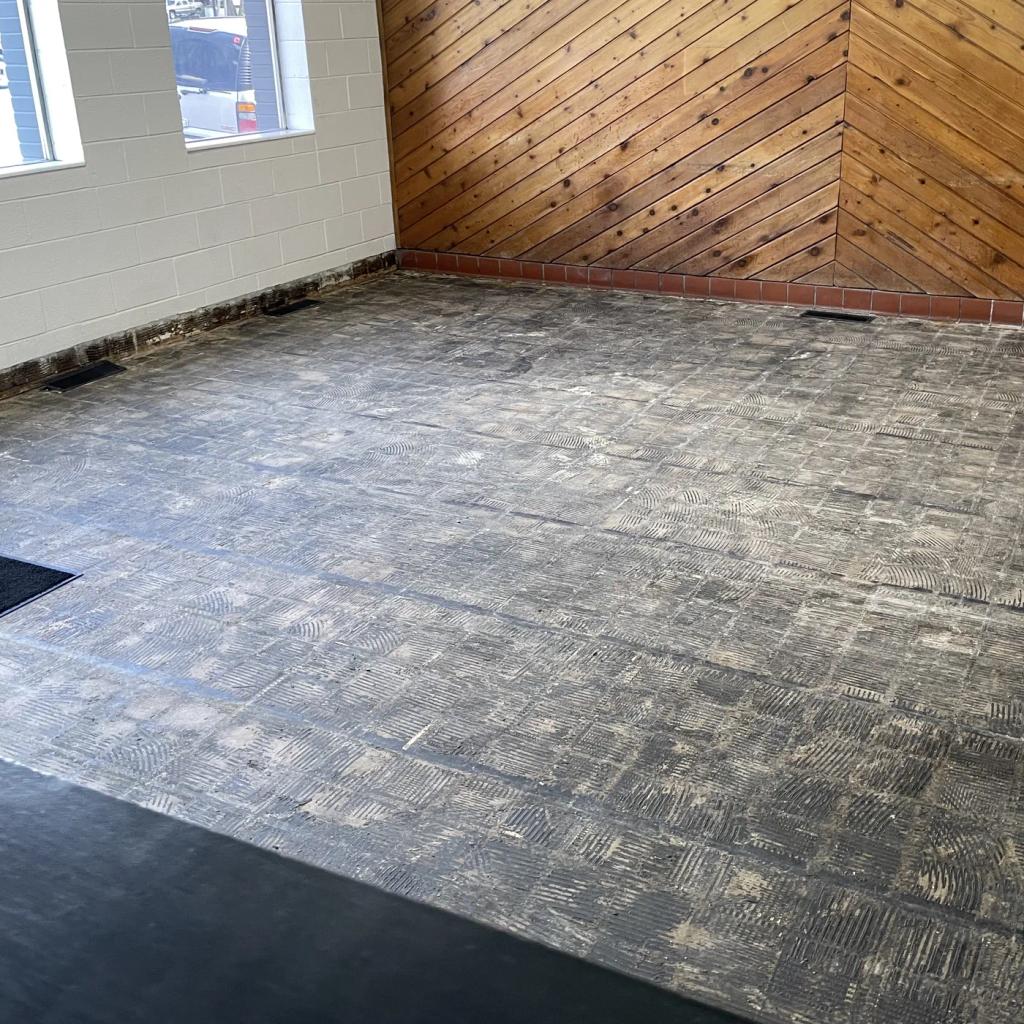
From worn slab to working floor
Grind, repair and coat, with moisture tested when the slab needs it and listed in the bid.
Winter slush and road salt
Valley winters bring snow, slush and salted roads, and all of it is carried in on tires and boots.
Loading docks, entrances, service bays and parking structures take the worst of it. Salt water soaks into bare concrete and breaks down its surface over repeated freeze-thaw cycles. A sealed coating keeps it on top, where it can be rinsed off, and textured finishes add grip at wet entrances.
Salt Lake Valley
Site visits and scheduling in the valley
Most bids start with a site visit to look at the slab, test it and agree on the work window; some are bid from plans or an RFQ. The bid then sets out the system, prep, dates and return-to-service schedule in writing.
Busy valley businesses rarely close for a floor. Work can be phased at night, on weekends or zone by zone so the building keeps running.
- See the floor
- Test the slab
- Agree on the work window
FAQ
Salt Lake Valley: questions
Straight answers to the questions we hear most.
Can a new distribution building be coated as soon as it is finished?
Not until the slab has dried enough, which moisture testing confirms. New slabs often hold more moisture than they appear to, and coating too early is a common cause of failure.
Which Salt Lake County cities do you work in?
Commercial work covers the whole valley, including Salt Lake City, West Valley City, West Jordan, Sandy, South Jordan, Murray, Taylorsville, Draper, Midvale, Millcreek, Holladay, Riverton and Herriman.
Can a downtown restaurant get a new kitchen floor without a long closure?
Often, by working overnight or on closed days and choosing a system and install order that fit the window. The written scope shows the timing before anything is booked.
Does winter weather affect scheduling?
Indoor floors can be coated year-round as long as the building is heated to suit the system. Exterior slabs, docks and parking decks depend more on the weather and are usually planned for warmer months.

Request a bid
Ready for a bid?
Send your project details or plans. We reply within 1 business day.