
On this page
What to send with a bid request
The first conversation goes faster with a few basics: the building type, the rough size of the floor, the timing you are working toward and any plans or photos. Photos of the current floor, drains and problem spots are especially useful.
It also helps to describe how the space is used. Forklifts, hot water, chemicals, foot traffic from the public and hours of operation all point toward different systems and schedules.
Why the site visit matters
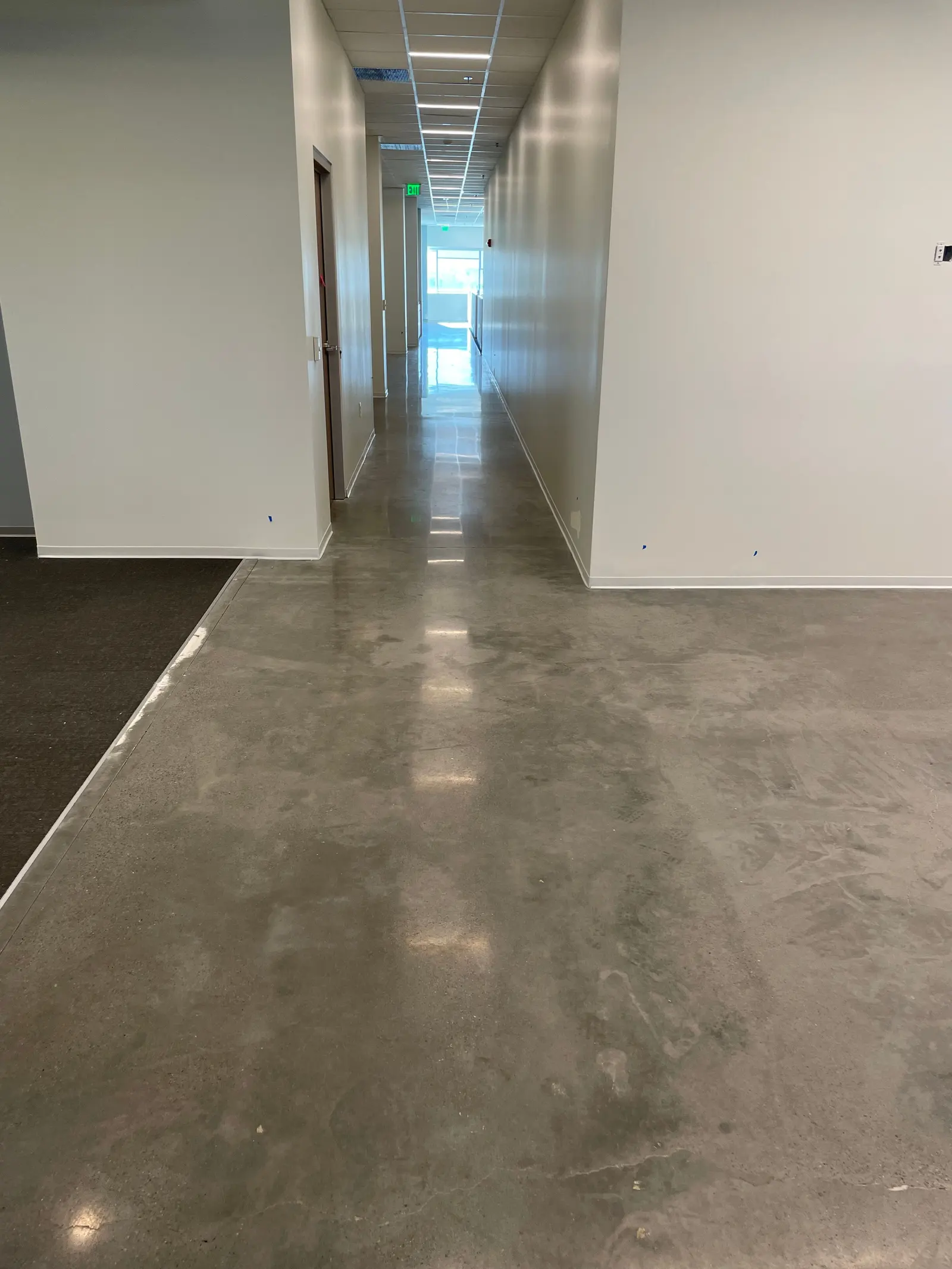
Plans show size and layout, but they do not show the slab's condition. A site visit looks at cracks, joints, old coatings, adhesive, drains and slope, and moisture is tested when the slab needs it, listed in the bid.
The visit is also when the work window is discussed. Knowing which areas can close, and when, shapes the schedule as much as the floor itself.
What shapes the scope
Two floors of the same size can need very different work. These are the items that most often change what a bid includes.
- 1Slab condition: cracks, spalls, joints and uneven areas
- 2Moisture coming up through the slab
- 3Old coatings, tile or adhesive that must come off
- 4The system and how thick it is built
- 5Cove base, drains, trenches and equipment pads
- 6Work windows: nights, weekends, phases or shutdowns
What a written scope should include
A clear scope names the system and describes the prep, the areas covered and anything excluded. It also lists the mobilization, install and punch dates and when each area can be used again.
Having everything in writing means the owner, the contractor and any general contractor are working from the same plan.
Bidding through a general contractor
On build-outs and new construction, the floor is often bid to a general contractor rather than the owner. The same scope items apply, along with where the floor falls in the construction schedule and what the site will look like when the crew arrives.
Sharing plans, specifications and the target dates early lets the floor be priced to the actual project. Insurance paperwork such as a certificate of insurance is usually requested at this stage too.
